


Surgery Or Rehab: How To Compare Them For Your Knee
You have seen a doctor and you are still not sure. That is a reasonable place to be, because for a large group of patients this genuinely is a choice rather than a medical order. Here is what the research shows and how the decision is actually made.
Dr. Prince Uchadiya explains how the surgery or rehab decision is made.
Why two good doctors can say different things
A torn ACL does not come with one correct treatment. For a patient with a locked knee or a repairable meniscus tear, surgery is clearly indicated. For a large middle group, the evidence genuinely supports either path, and the right answer depends on your knee, your sport and your willingness to do months of rehabilitation.
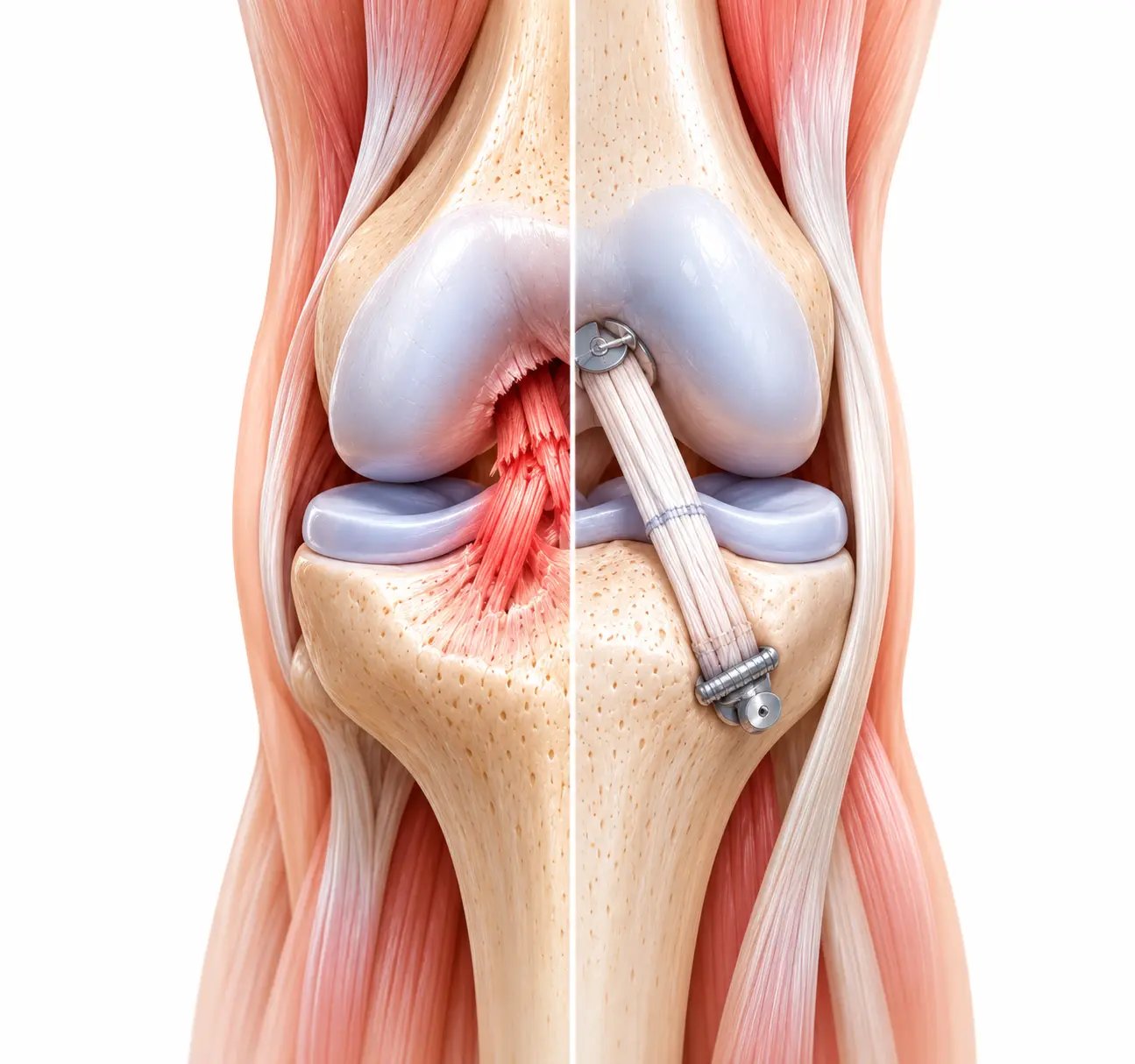
This is worth saying plainly, because patients often assume one doctor must be wrong. Usually neither is. One is weighing your sport and your instability more heavily, the other is weighing the months of rehabilitation and the chance of avoiding an operation. Both are legitimate readings of the same evidence.
What makes the decision answerable is not opinion, it is information. How your knee behaves when you load it, whether the meniscus is torn, how much strength you have recovered, and what you actually need to go back to. Those four things decide it far more reliably than an MRI report alone.
Who does well without surgery
Researchers use the word copers for people whose knees stay stable without a new ligament. It is not about willpower, it is about how your muscles and your knee compensate.
Rehab first is reasonable
- The knee feels stable in daily life and does not buckle
- Your sport is running, cycling, swimming or gym work
- No meniscus tear that needs repairing
- You are willing to do supervised rehabilitation for months
- You can accept switching to surgery later if it does not hold
Surgery is usually advised
- The knee gives way during ordinary walking or turning
- A locked knee, or a meniscus tear worth repairing
- You want to return to football, kabaddi, basketball or similar
- Physically demanding work or defence selection
- Children and teenagers, where instability damages the joint faster
Giving way is the symptom that matters most in this decision. Pain and swelling settle with time in many knees. A knee that buckles is a knee that is damaging its meniscus and cartilage each time it happens, and that damage does not reverse.
How the decision is actually made
-
01
Settle the knee first
Swelling and a stiff knee make every test unreliable and every opinion shakier. The first few weeks go into getting the knee straight, calm and moving, whatever you eventually choose.
-
02
Establish what else is injured
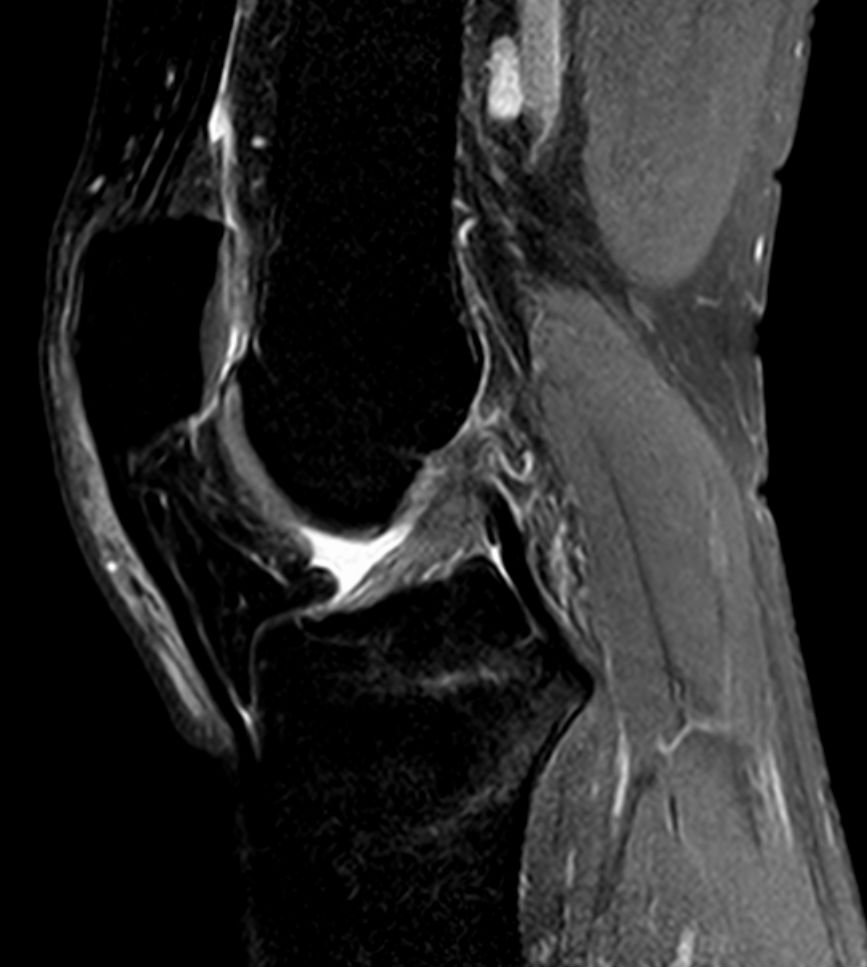
This is the step that can settle the decision on its own. A meniscus tear that can be repaired, or damage to the outer side structures, usually moves the answer towards surgery regardless of how stable the knee feels.
-
03
Test how the knee behaves
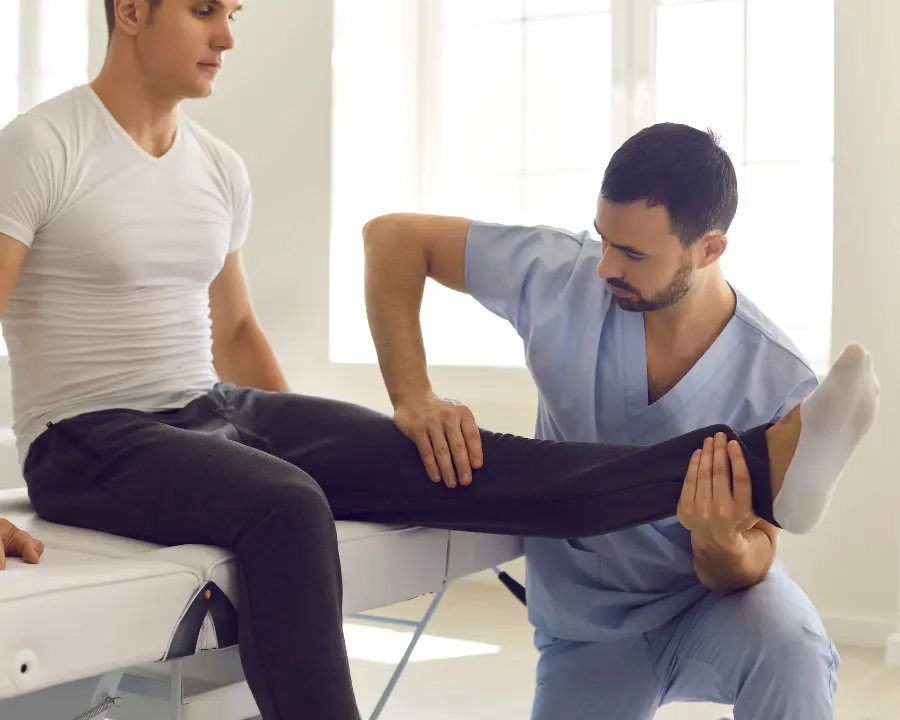
Four things are checked: your knee function score, how you rate the knee yourself, hop test symmetry against the other leg, and how many times it has given way. These are the measures used in the research to separate copers from non copers.
-
04
Train, then test again
This step is the one most patients skip and it changes outcomes. In the cohort data, around ten sessions of progressive strength and neuromuscular training over roughly five weeks moved the proportion of copers from about 55 percent to about 68 percent, and nearly half of the people who initially failed the tests passed them afterwards.
-
05
Match the answer to your life
Two knees with identical scans get different advice if one belongs to a twenty year old footballer and the other to a forty year old who swims. The target activity is part of the clinical decision, not an afterthought.
-
06
Decide, with a review date
If you choose rehabilitation, a date is set to reassess rather than leaving it open. A trial of rehabilitation is a plan with a checkpoint, not a decision to do nothing.
What the research actually shows
Two randomised trials have directly compared early surgery against rehabilitation with the option of surgery later. Their results are the backbone of this discussion, and they are more balanced than either camp usually admits.
The COMPARE trial
167 patients. Early surgery scored slightly better at two years, but the gap was below the level considered clinically meaningful.
Half avoided surgery
In both major trials, roughly half of those who started with rehabilitation never went on to have a reconstruction.
Switching worked
Those who did need surgery later had it at around ten months on average, and still did well.
Read carefully, that is an argument for taking the decision seriously rather than for either side. Early surgery produced a small advantage on function scores. Rehabilitation first spared an operation for about one patient in two. Neither result says the other path is wrong.
There are two important limits to keep in mind. These trials recruited specific patients, generally adults with an isolated ACL tear and no locked knee, so their findings do not transfer to a knee with a repairable meniscus tear or to a growing child. And the comparison was never surgery against doing nothing. It was surgery against serious, supervised rehabilitation, which is a demanding programme in its own right.
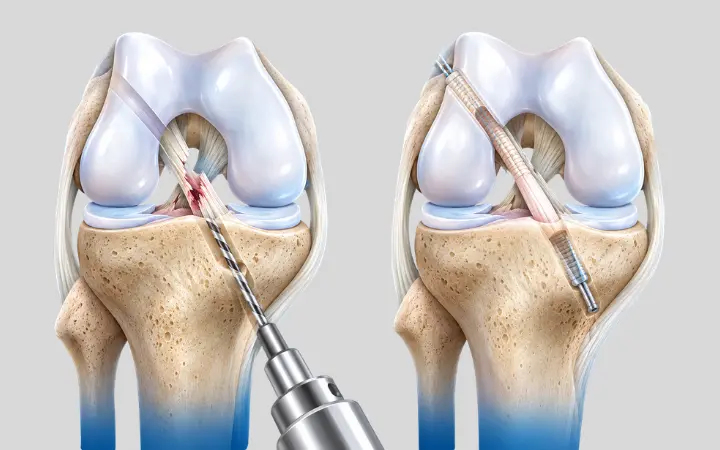
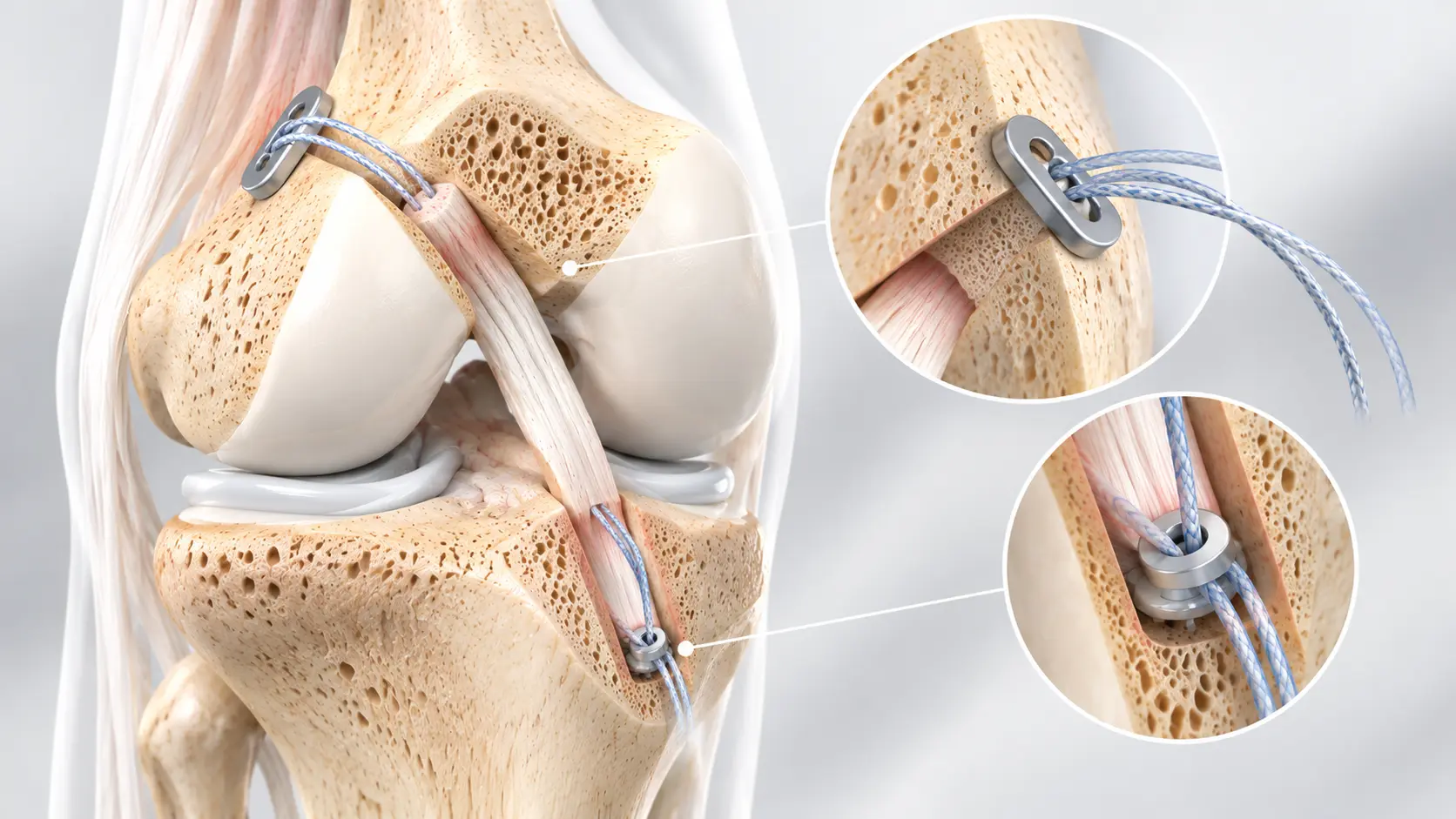
See the surgical techniques in detailWhat each path looks like
People imagine rehabilitation as the quick option. In terms of returning to pivoting sport it often is not, because the knee still has to pass the same tests either way.
The honest cost of trying rehabilitation first is time, if it does not work. You spend three months finding out, and if the knee keeps giving way your nine month clock starts after the surgery rather than now. For a student with an exam date or an athlete with a season, that matters. For many other people it does not.
The honest benefit is that about half of patients in this position never need the operation at all, and the strength work is not wasted either way. A knee that goes into surgery stronger comes out of it better.
Open the full recovery roadmapWhat you gain and what you give up
Choosing surgery
- Restores the stability that lets you pivot with confidence
- Protects the meniscus from repeated giving way episodes
- A clearer, more predictable path back to competitive sport
- Any meniscus tear is repaired while it is still repairable
- Slightly better function scores at two years in trial data
The price of surgery
- An operation, anaesthesia and their small risks
- A tendon is taken from somewhere in your own leg
- Nine months of rehabilitation after the surgery
- Cost of implants, theatre and hospital stay
- Roughly half of patients in your position would not have needed it
Choosing rehab first
- A real chance of never needing an operation
- No graft taken, no implants, no anaesthesia
- Lower immediate cost
- The strength you build helps even if you later have surgery
- Surgery stays available if the knee does not hold up
The price of waiting
- Every giving way episode risks the meniscus and cartilage
- Three months spent finding out, if it does not work
- Demanding supervised rehabilitation, not rest
- Return to pivoting sport is uncertain until the tests are passed
- Not a safe option in a knee that is already unstable
If you want the single sentence that separates the two: surgery buys you predictable stability at the price of an operation, and rehabilitation buys you a chance of avoiding the operation at the price of uncertainty. Which price is worth paying depends on what your knee is being asked to do.
What each path costs
Surgery, including implants, theatre and stay. Rehabilitation runs at ₹ 500 to ₹ 1,000 per session over several months.
Comparing these fairly needs care. Rehabilitation looks far cheaper on day one, but a serious programme runs for months and it is paid session by session out of pocket, while surgery is usually covered by insurance after waiting periods. If rehabilitation does not work, you end up paying for both.
Ask for both numbers before deciding, including the realistic number of physiotherapy sessions. Our team can also check what your policy covers so you are comparing like with like.
Common questions
One doctor said operate, another said wait. Who is right?
Possibly both. For an isolated ACL tear in a stable feeling knee, the trials support either path, so two careful surgeons can reasonably differ. What should not differ is the reasoning. Ask each of them which specific finding drove their advice, and the disagreement usually becomes understandable.
If I try rehab and it fails, have I lost anything?
Mostly time, not the option. In the trials, patients who crossed over to surgery at around ten months still did well. The real thing to protect is your meniscus, which is why continued giving way is the signal to stop waiting rather than to push on.
Can the ACL heal on its own?
Some torn ACLs do show continuity again on later scans, and this is being studied seriously. It is not something to count on, and it does not change what you should do now, which is test how the knee behaves rather than hope for healing.
Will skipping surgery give me arthritis?
The evidence does not support the simple claim that surgery prevents arthritis. What clearly damages the joint is repeated instability and losing meniscus tissue. So the protective thing is a stable knee and an intact meniscus, by whichever route achieves that for you.
I only want to run and go to the gym. Do I need surgery?
Often not. Straight line running, cycling, swimming and most gym work do not load the ACL the way cutting and pivoting do. Many people in that group manage well with a strong knee and no reconstruction.
How long should I give rehab before deciding?
About three months of supervised, progressive work, with formal retesting at the end. That was the minimum used in the trials. Less than that is not a fair trial, and much more than that without improvement is usually an answer in itself.
What should I ask at my next consultation?
Four questions. Is my meniscus torn and is it repairable. How unstable is my knee on examination. What are my hop test and strength numbers compared with the other leg. And what exactly would change your advice. Those four answers usually decide it.
This page explains how the choice is made in general terms. It is not a substitute for an examination. What suits your knee is decided after a clinical assessment, MRI review, and sport discussion with an ACL surgeon in Indore.