


Fixed Loop Button
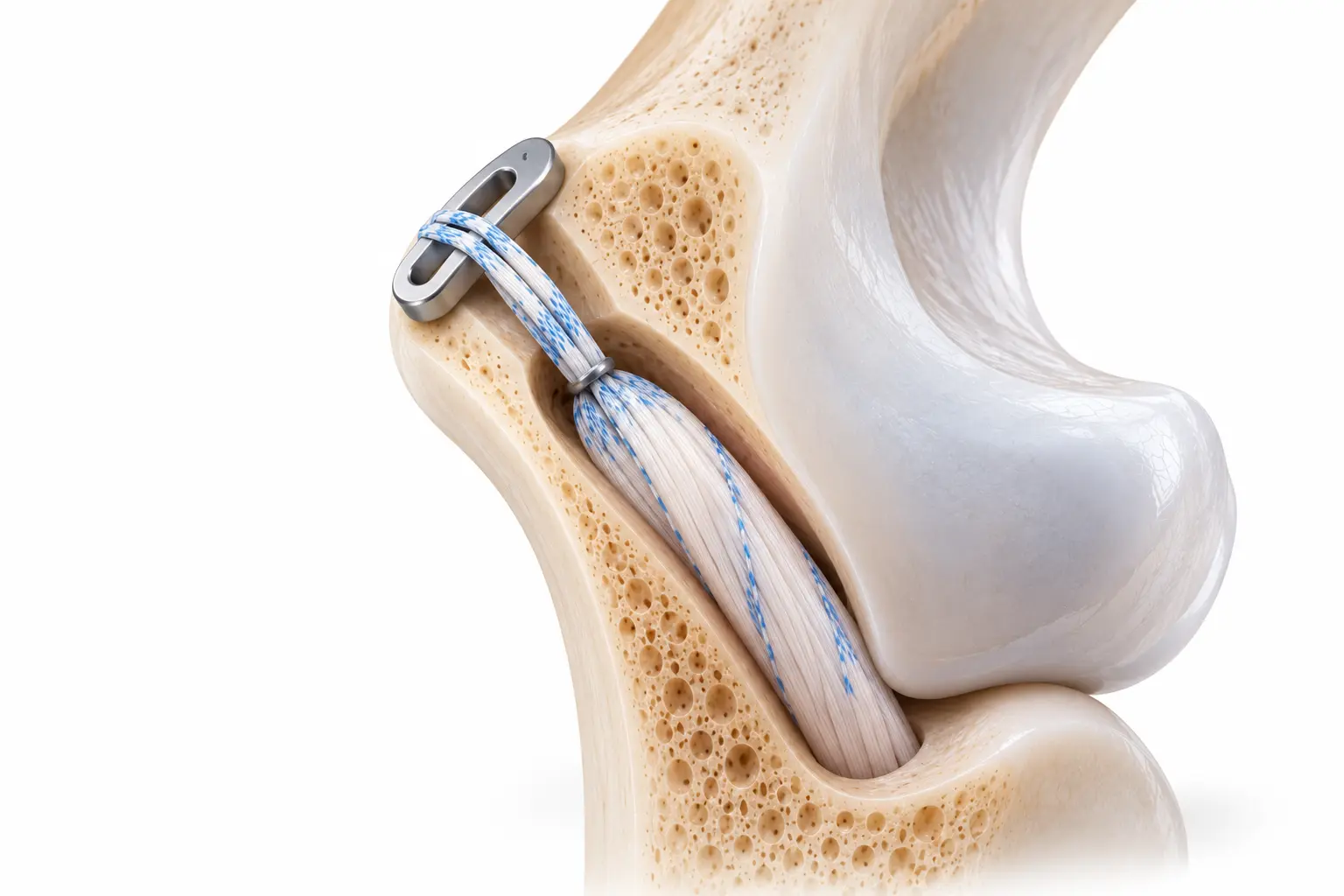
A small metal button joined to a closed loop of a set length. It is the original suspensory fixation for ACL surgery, with the longest track record of any button on the market.
What is a fixed loop button?
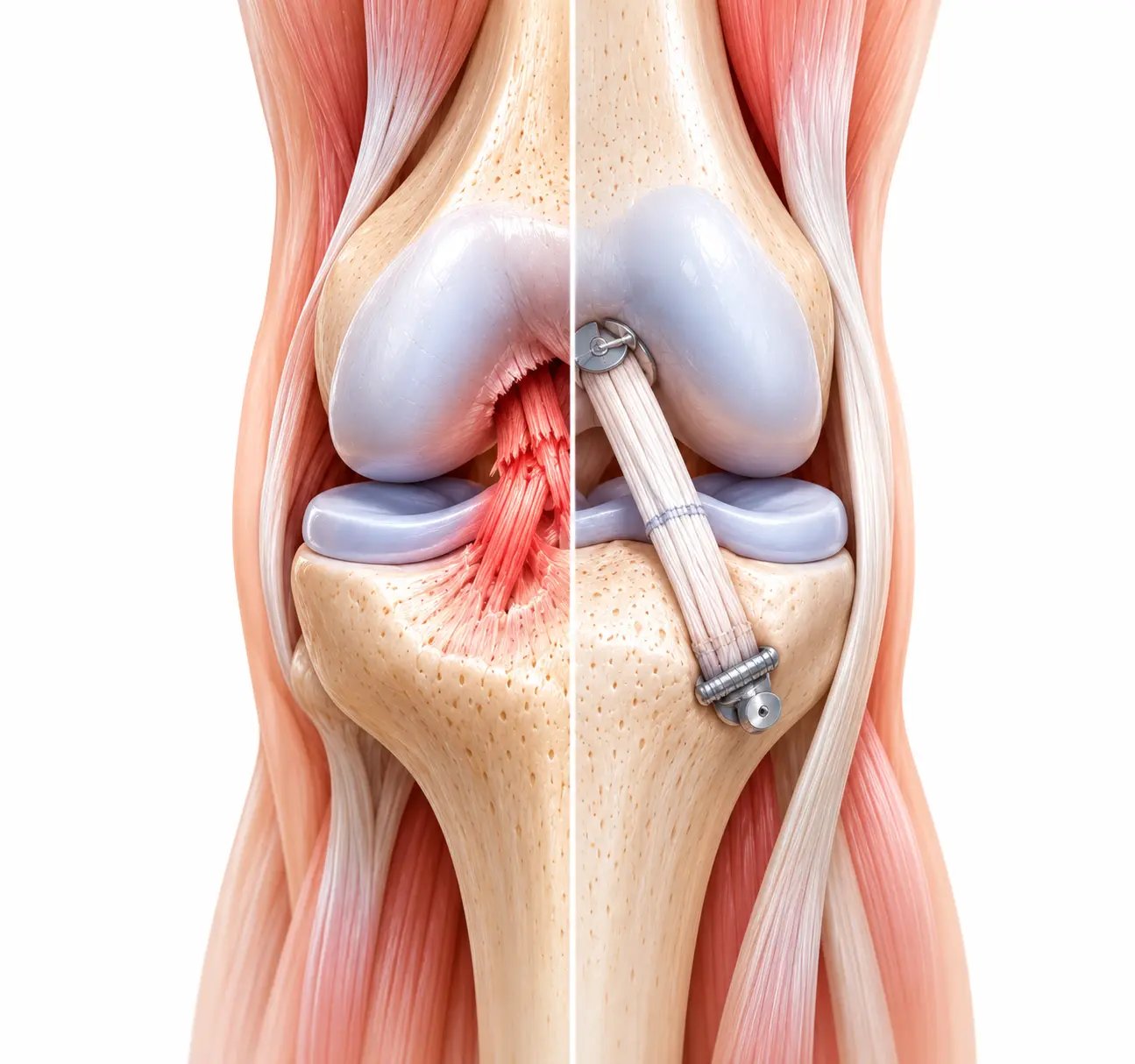
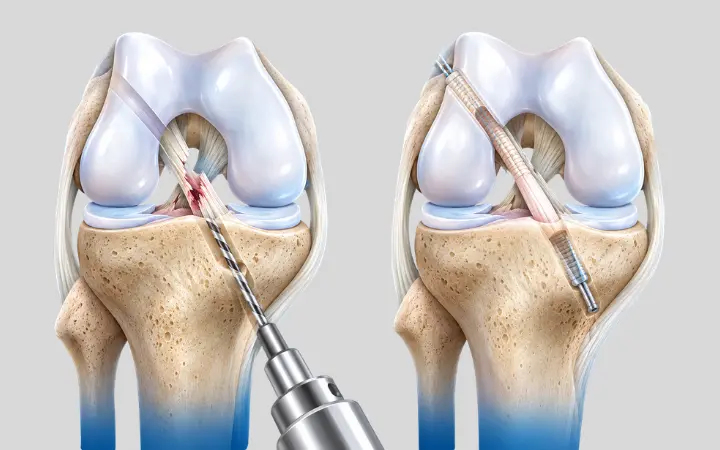
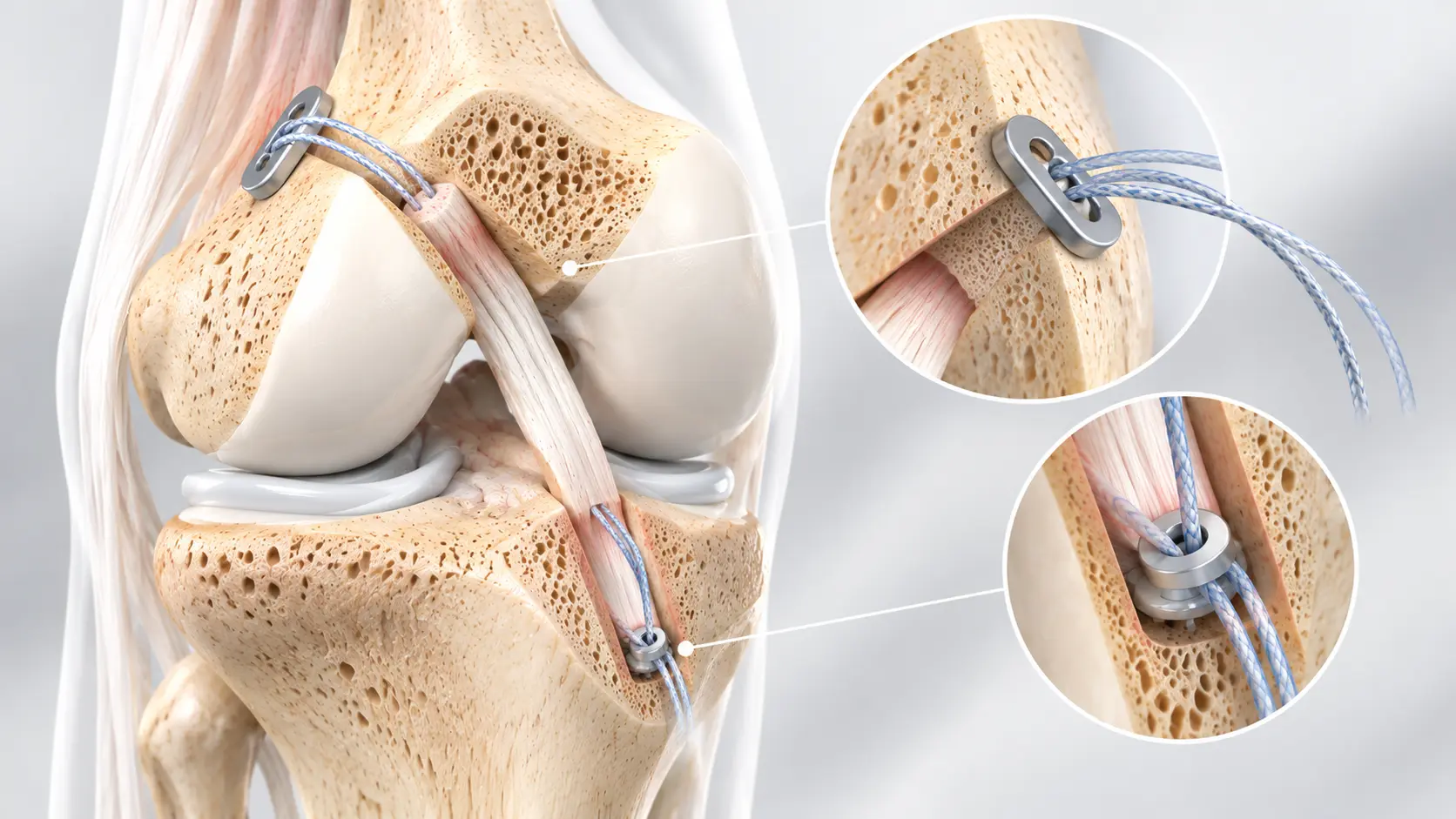
It is a tiny metal bar with a closed loop of very strong suture permanently attached to it. The bar rests flat on the hard outer surface of your thigh bone, and the graft hangs from the loop inside the tunnel.

This is the original design. Suspensory fixation for ACL surgery began with this button, and it has been in use for decades, which is why it still appears in some of the longest follow up studies available.
Its character comes from what it does not have. There is no shortening mechanism, no sliding knot and no tails to pull. Once the button flips onto bone, the construct is set. Nothing in it can lengthen later, because there is nothing in it that moves.
When this implant is used
Commonly used for
- Standard reconstruction with a full length femoral tunnel
- Soft tissue grafts such as hamstring and peroneus longus
- Surgeons who prefer a construct with no moving parts
- Growing knees, since nothing is wedged across a growth plate
- Settings where implant cost needs to be contained
Less suitable for
- All-inside surgery, where sockets are too short for a set loop
- Cases where tunnel length is difficult to measure reliably
- Grafts with bone blocks, which are usually held by screws instead
- Revision cases with unpredictable tunnel geometry
- Situations where the surgeon wants to retension after cycling the knee
How the button is placed
-
01
The tunnel is measured
Total tunnel length is measured with a depth gauge. This number drives everything that follows, so it is checked rather than estimated.
-
02
The loop length is calculated
The surgeon subtracts the length of graft that should sit inside the bone from the total tunnel length. What remains is the loop size to pick from the set available.
-
03
The graft is marked
A mark is drawn on the graft showing where the tunnel entrance should reach. When that mark disappears into the tunnel, the graft is in far enough.
-
04
Graft and button are pulled through
The button travels out through a narrow channel on the far side of the bone, with the graft following up the tunnel behind it.
-
05
The button flips flat
A second suture turns the button sideways so it lies against the outer surface of the bone. The surgeon confirms this by feel, by camera, or with an X-ray image.
-
06
Tension is set at the other end
Because the loop cannot be shortened, the final tension is set at the shin bone end. The knee is cycled and that lower fixation is completed.
The measurement in step one is where this implant lives or dies. Pick a loop that is too long and too little graft sits inside the bone. Too short, and the graft bottoms out before the button reaches the far cortex. This is why the graft is marked beforehand and the position confirmed afterwards.
How it compares with an adjustable loop
Both hang the graft from the outer surface of the bone. They differ only in whether the loop can be shortened once the graft is inside.
Fixed loop
Nothing can slip, because nothing moves. The trade is that the length must be right the first time.
Adjustable loop
Tension can be set after the graft is in, which short socket techniques depend on.
What studies show
Across fifteen studies and over two and a half thousand patients, no meaningful difference in looseness, function or revision.
It is worth understanding where the argument between these two actually comes from. Laboratory testing has shown that adjustable loops can lengthen slightly when cycled hard, which is the case made for fixed loops. Fixed loops have their own bench criticism, that a long loop allows the graft to move a little within the tunnel. Neither concern has separated the two in patients. The pooled clinical evidence shows them performing the same, and its quality is rated low, so strong claims in either direction should be treated with caution.
Compare all graft and implant typesWhat this implant means for your recovery
Your rehabilitation plan does not change because of which button was used. The implant is strongest on day one and matters less every week after that, as your own bone grows into the graft and takes over the job.
If you were told your surgery used a fixed loop rather than an adjustable one, there is nothing you need to do differently. It is a surgeon side decision about tunnel length, not a difference in how your knee will be looked after.
Open the full recovery roadmapBenefits and trade-offs
Benefits
- No moving parts, so nothing can slip or lengthen
- The longest clinical track record of any ACL button
- Usually less expensive than an adjustable loop
- Very strong hold on the hardest part of the bone
- Safe across growth plates, so it suits growing knees
Trade-offs to know
- The loop length must be decided before the graft goes in
- Depends on an accurate tunnel measurement
- Cannot be retensioned once the button has flipped
- Needs a full length tunnel, so it does not suit all-inside surgery
- It is a permanent implant, even though it is rarely felt
If your surgeon has chosen this button, it is not a cost cutting compromise. It is the fixation that suspensory techniques were built on, it has outlasted several newer designs, and in pooled patient data it performs on level terms with the adjustable version. The deciding factor is almost always tunnel length and the technique being used, not which implant is considered more modern.
Cost of this implant
Per button. A standard reconstruction usually uses one, with separate fixation at the shin bone end.
This is usually the more economical of the two button types, which is one reason it remains widely used. Ask for the implant list in your estimate so you can see exactly what has been budgeted. Most health insurance policies cover implants as part of the procedure, and our team can help you with the paperwork.
Common questions
Is a fixed loop button outdated?
No. It is the original design, but age is not a weakness here. In pooled data from fifteen studies and more than two and a half thousand patients, looseness, function scores and revision rates were the same as with adjustable loops.
My estimate is cheaper than another hospital. Is that why?
Fixation is often where quotes differ, and this button is usually less expensive than an adjustable one. That is a genuine cost difference, not a quality shortcut. Ask for the full implant list so you are comparing like with like.
Can the loop stretch or come loose?
There is no mechanism in it that can lengthen, which is its main design argument. The suture material itself is extremely strong and is not the part that limits recovery.
What happens if the loop size is slightly wrong?
It is checked during surgery. The graft is marked so the surgeon can see when it has entered far enough, and the button position is confirmed before the knee is closed.
Will the metal stay in my leg forever?
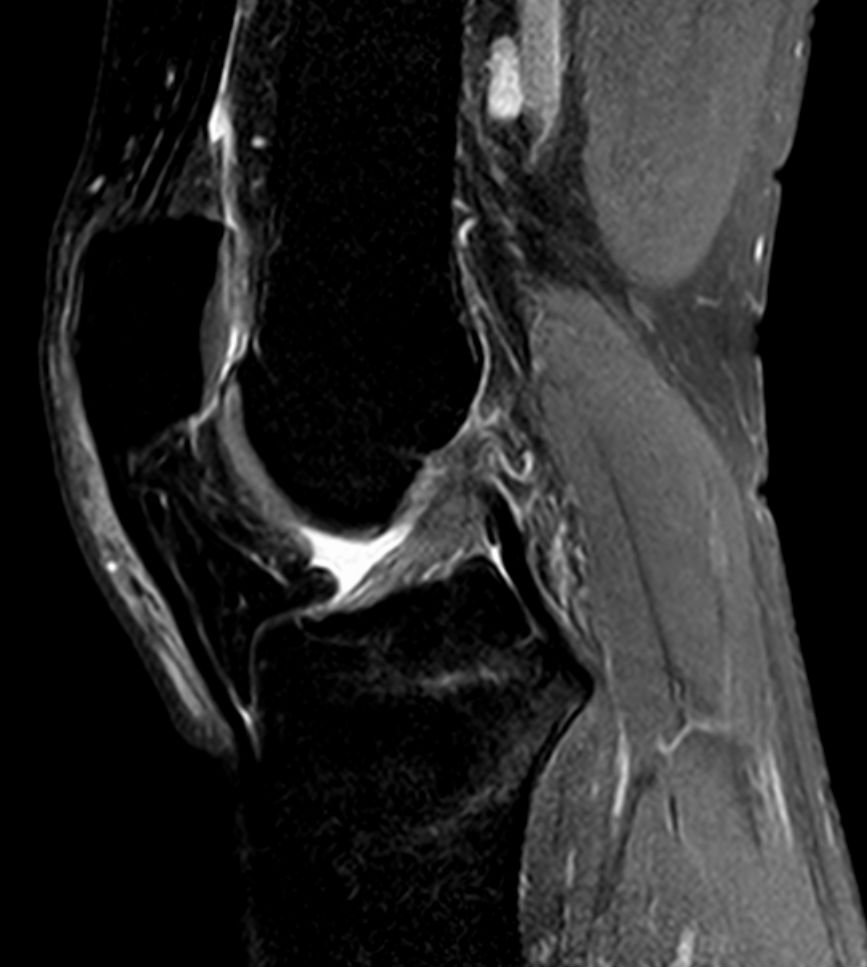
Yes, and that is intended. It is tiny, it sits flat against the bone under muscle, and the large majority of patients never feel it. MRI scans later are safe.
Why would my surgeon pick this over an adjustable one?
Usually because the tunnel is a full length one and can be measured reliably, which is exactly the situation this implant was designed for. Some surgeons also prefer a construct with no moving parts.
This page explains an implant in general terms. Which fixation suits your knee depends on your graft, tunnels, and bone quality, evaluated by the best ACL surgeon in Indore for your knee anatomy and confirmed during surgery.

Dr. Prince Uchadiya

Thank You,
Patient!
Your appointment request has been received.
Our clinic team will call you shortly to confirm your consultation and share further details.
 Confirm on WhatsApp
