


ACL graft and implant options
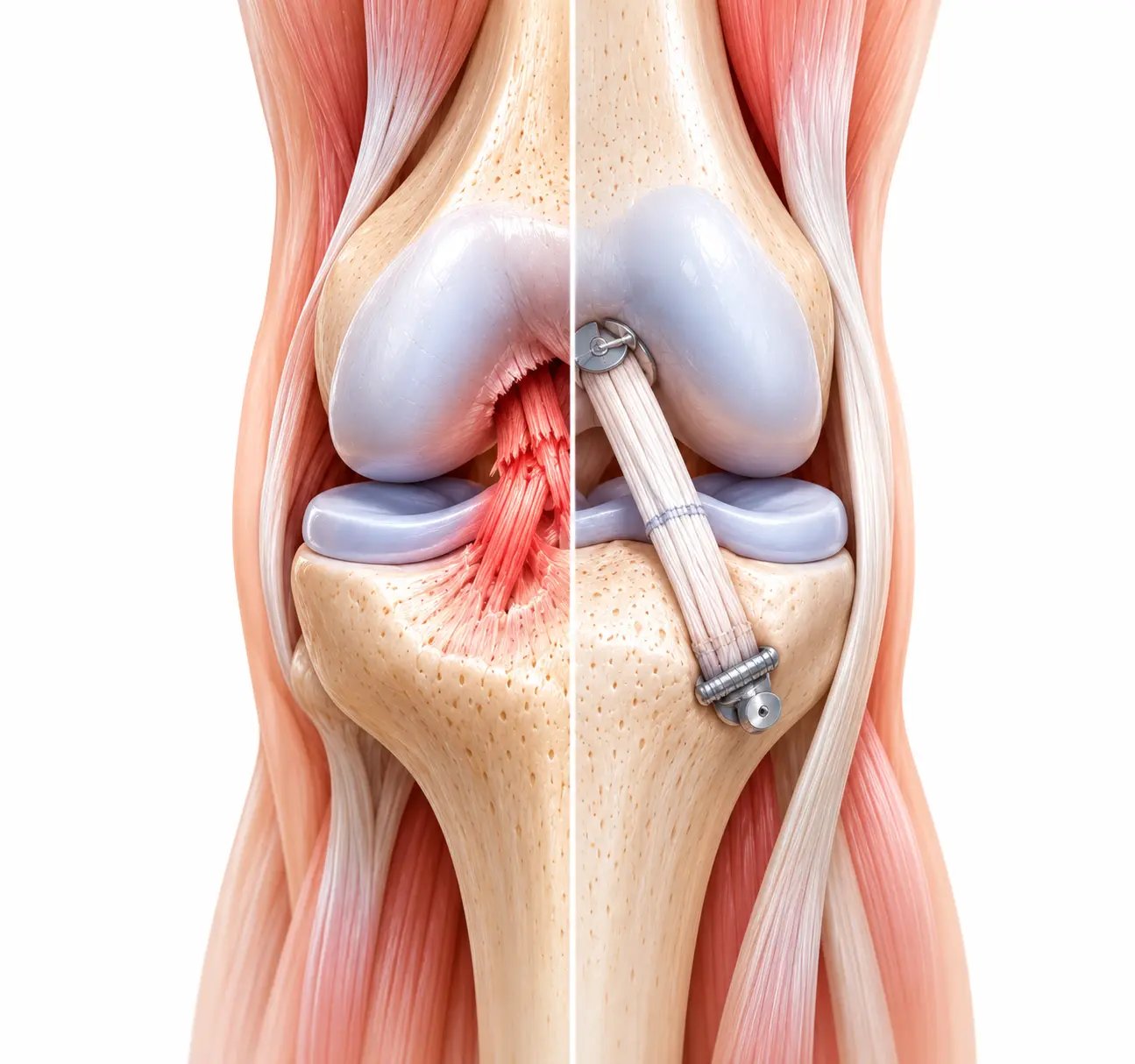
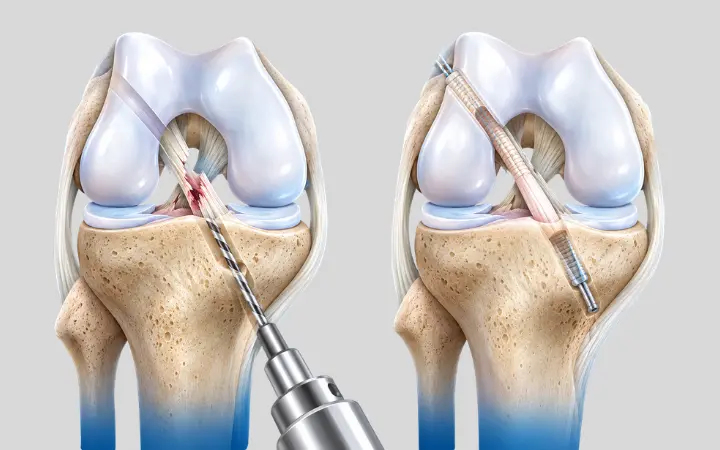
Your new ACL is built from a tendon graft and anchored by small implants. Compare where each graft comes from, how implants work, and how an experienced ACL surgeon in Indore matches them to your knee.
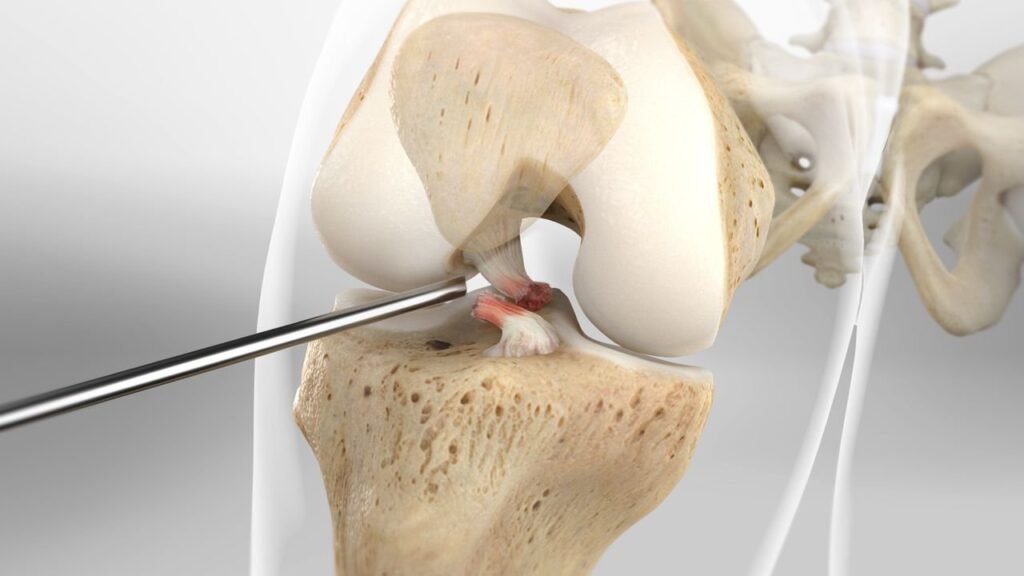
What is a graft?
A strong piece of tendon used to build a new ACL, because a torn ACL usually cannot be stitched back.
Your own or donor tissue?
Most grafts in India are taken from your own leg. Donor tissue from a tissue bank is used in selected cases.
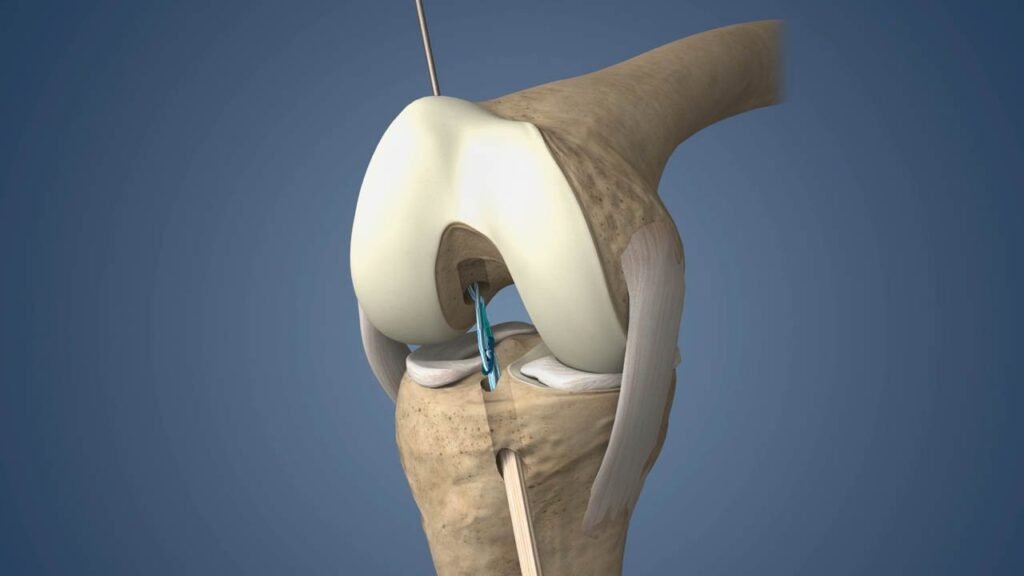
What do implants do?
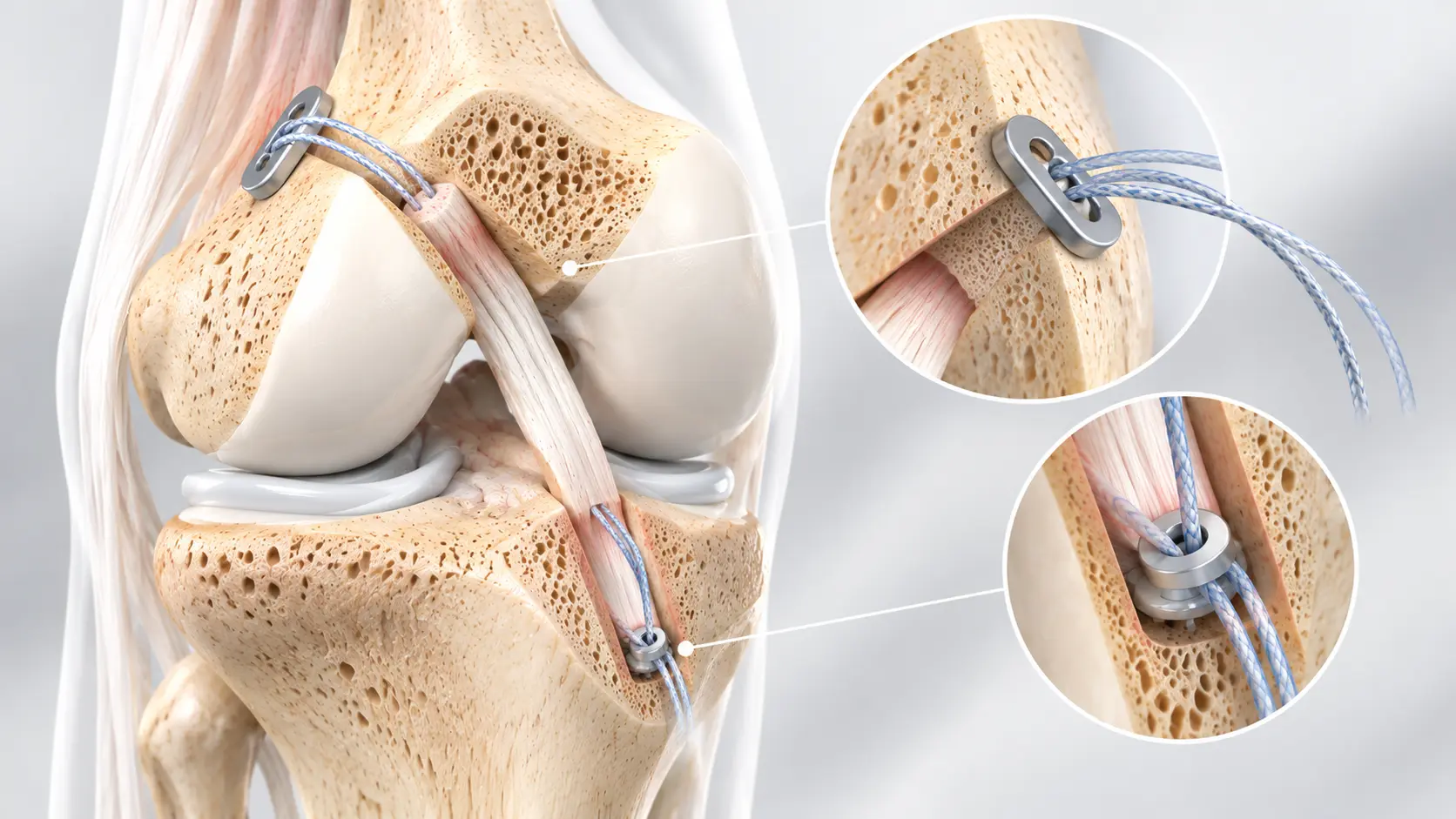
Buttons, screws and suture tape hold the graft in position until your bone grips it, usually over a few months.
Graft Options
Five graft options. Open any one to see how it is taken, who it suits and what recovery looks like.
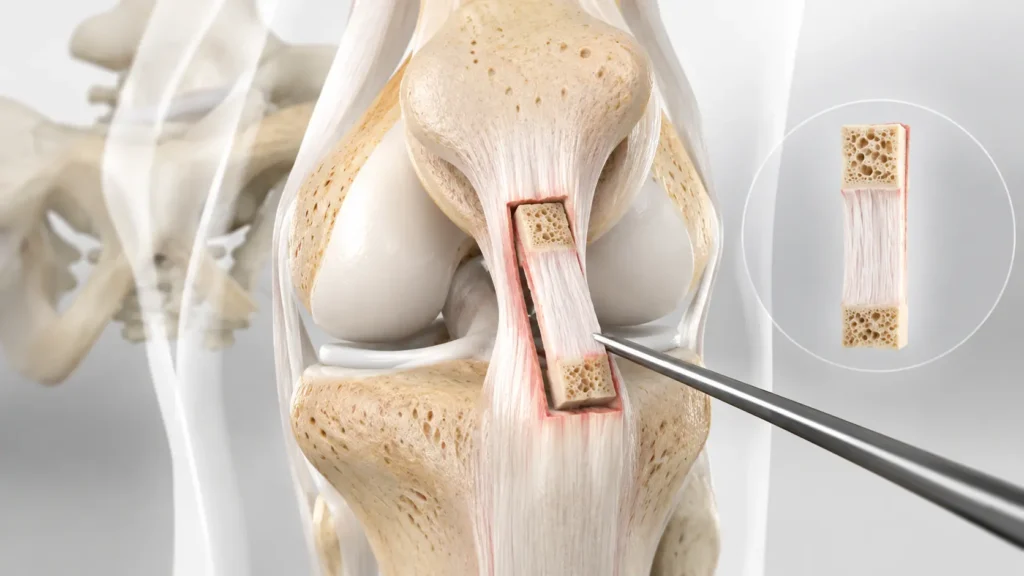
Hamstring tendon graft
Two tendons from the inner side of the back of the thigh are folded into a strong graft.
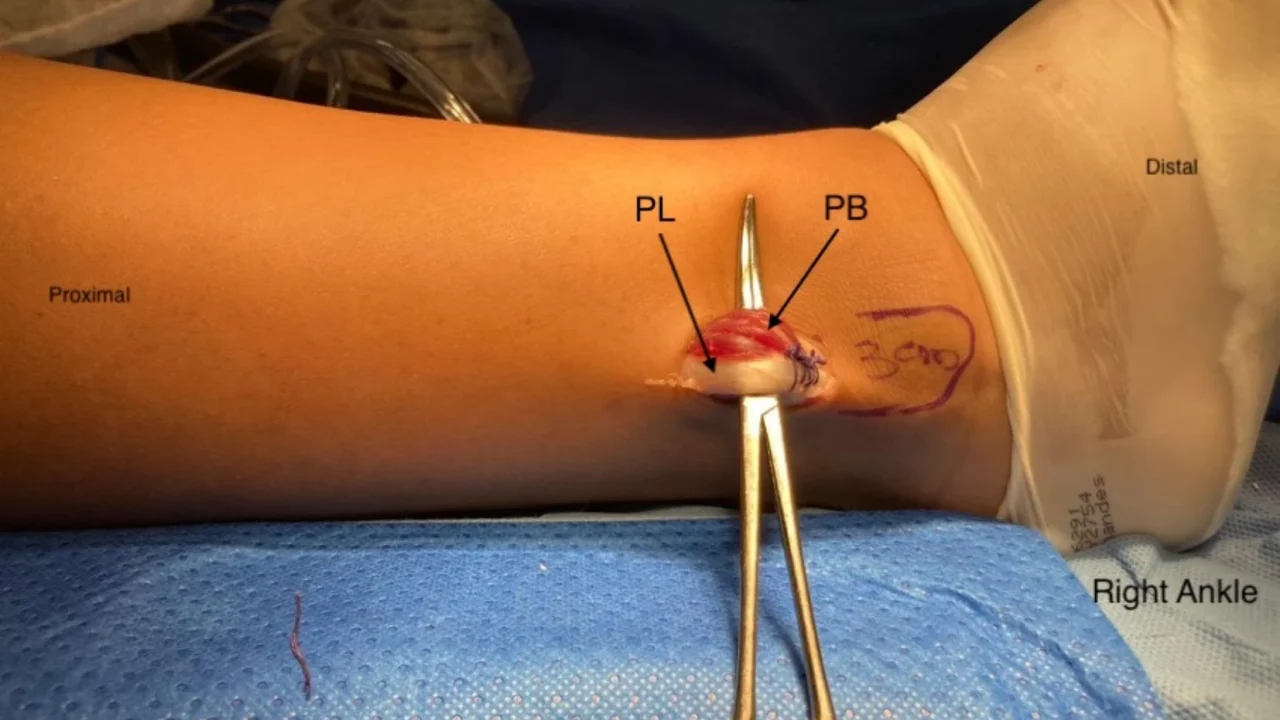
Peroneus longus graft
Taken from a tendon on the outer side of the lower leg, so the thigh and knee muscles are left untouched.
Taken from the tendon just above the kneecap. A thick graft, often chosen for revision surgery or heavier patients.
Patellar tendon graft
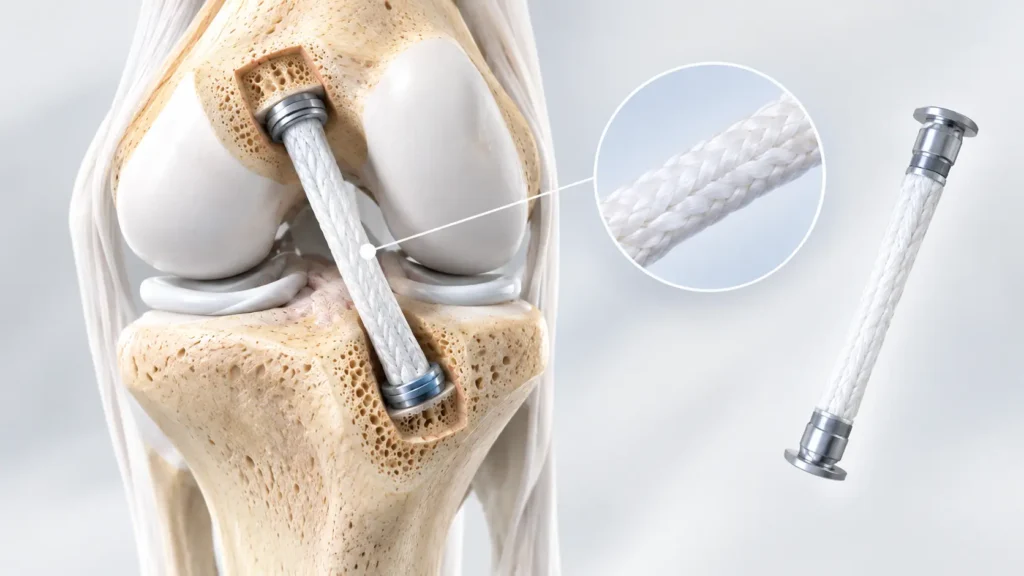
Synthetic graft
Implants and fixation
The buttons, screws and tapes that hold the graft. Open any one to see what it does and whether it stays in.
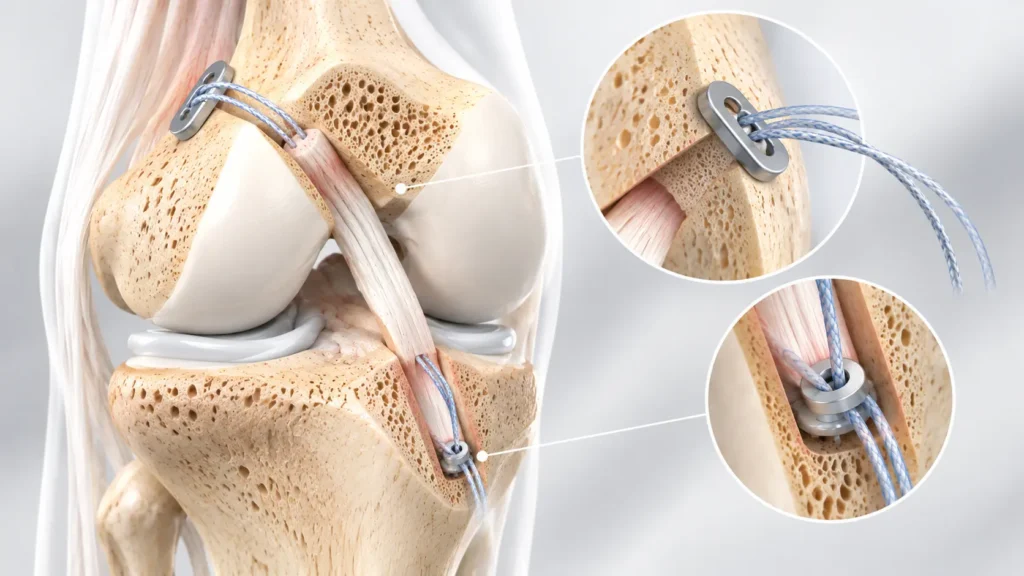
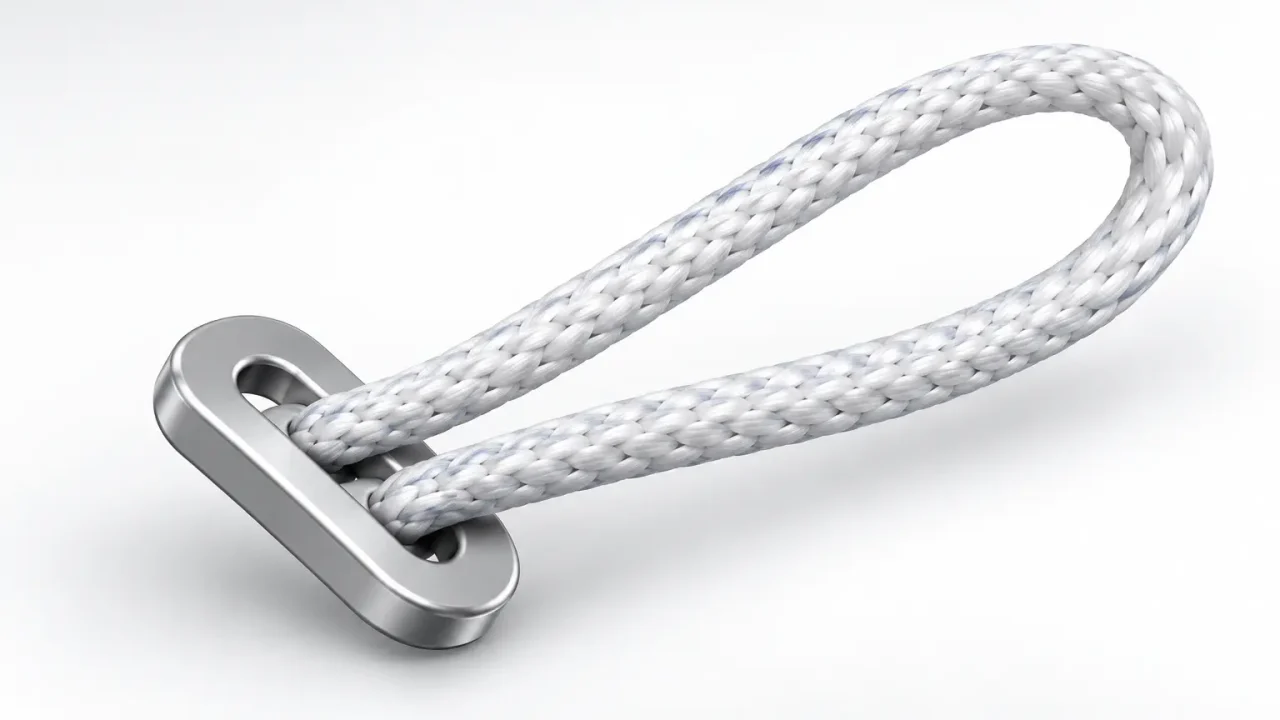
Adjustable loop button
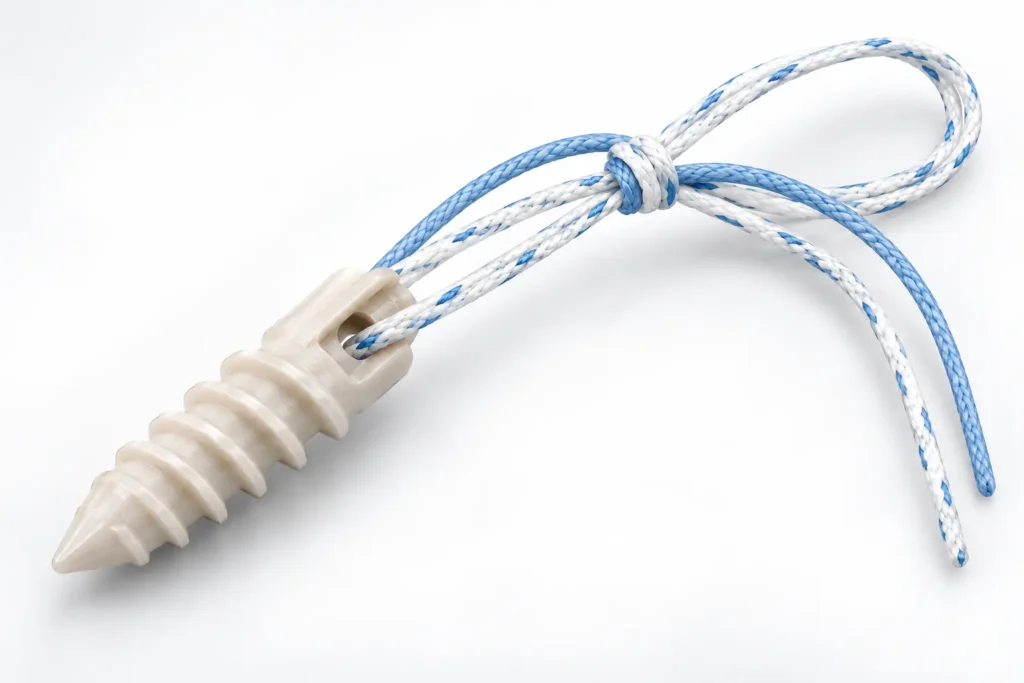
A small metal button sits on the outer surface of the bone and holds the graft with an adjustable loop.
Fixed loop button
The same idea as above, but with a loop of fixed length. The tunnel is drilled to match it.
Interference screw
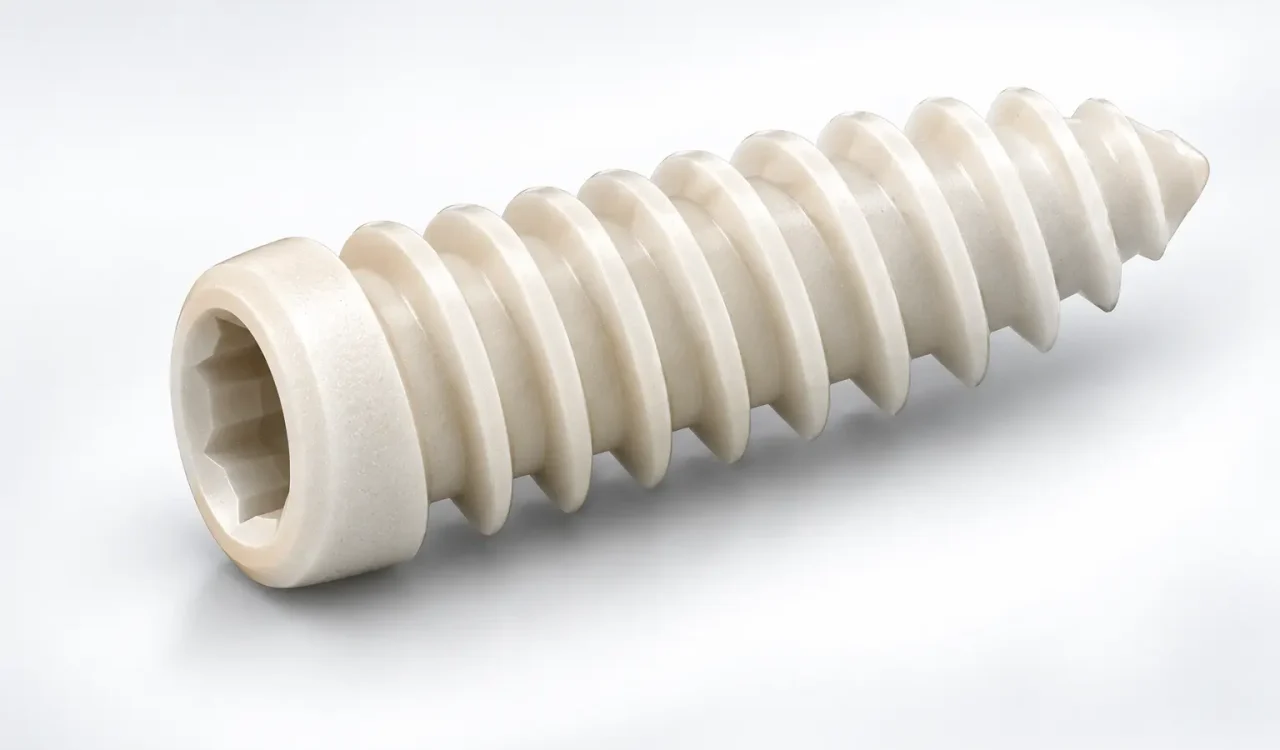
A screw wedged next to the graft inside the bone tunnel. It can be titanium, PEEK or a material that dissolves slowly.
Suture tape
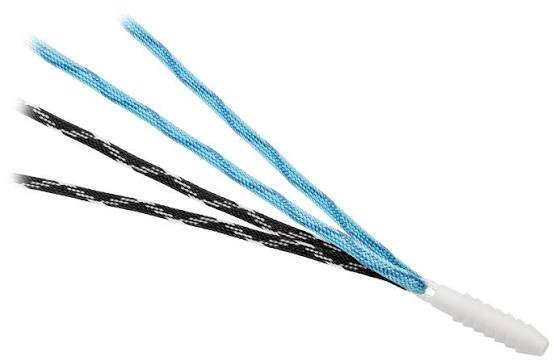
A strong tape placed alongside the graft to share the load in the early months, while the graft heals.
Add-on to: reconstruction or repair
Meniscus repair implants
Small anchors and sutures used to stitch a torn meniscus back, often in the same operation as the ACL.
Adds: a more protected early recovery
How your graft is chosen
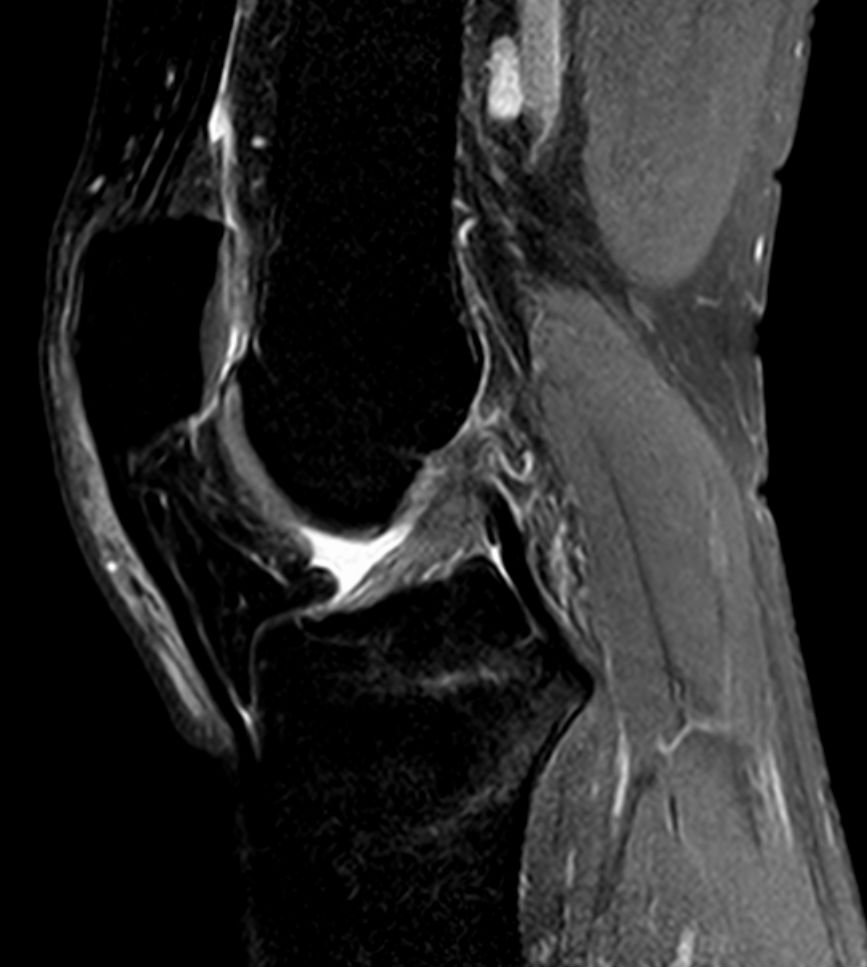
Graft choice is a clinical decision, not a price decision. It is usually confirmed after your examination and MRI.
Your sport and job
Pivoting sports and physically demanding work need a graft that handles high load.
Your body and knee
Height, weight and the thickness of your own tendons all affect the choice.
Other injuries
A meniscus repair or a second ligament injury can change both graft and implants.
Previous surgery
If a graft has failed before, a different graft and different fixation are usually planned.
Frequently Asked Questions
Surgeons answer your questions about ACL injuries, graft choices, and recovery.
See All FAQsDoes taking a tendon out weaken my leg permanently?
The body compensates for the tendon that is taken, and most patients regain full function with proper rehabilitation. There can be mild weakness or soreness at the donor site for a few months.
Do the implants have to be removed later?
Usually not. Buttons and screws are designed to stay in place. They are removed only if they cause a specific problem.
Can I have an MRI or travel by air with these implants?
Yes in almost all cases. Tell the radiology team which implants you have, and carry your discharge summary while travelling.
Does a costlier implant give a better result?
No. What matters is the right choice for your knee and a well-done surgery followed by structured rehabilitation.
Can I choose my own graft?
You can discuss your preference, and it should be explained to you clearly. The final choice is made with your surgeon based on your examination and MRI.
Not sure which graft suits your knee?
Bring your MRI. Dr. Prince Uchadiya will explain the options that actually apply to you.
Dr. Prince Uchadiya
Thank You,
Patient!
Your appointment request has been received.
Our clinic team will call you shortly to confirm your consultation and share further details.
Important: This page is for education only. It does not diagnose any condition or replace a consultation with a qualified doctor.