

ACL With Meniscus Repair
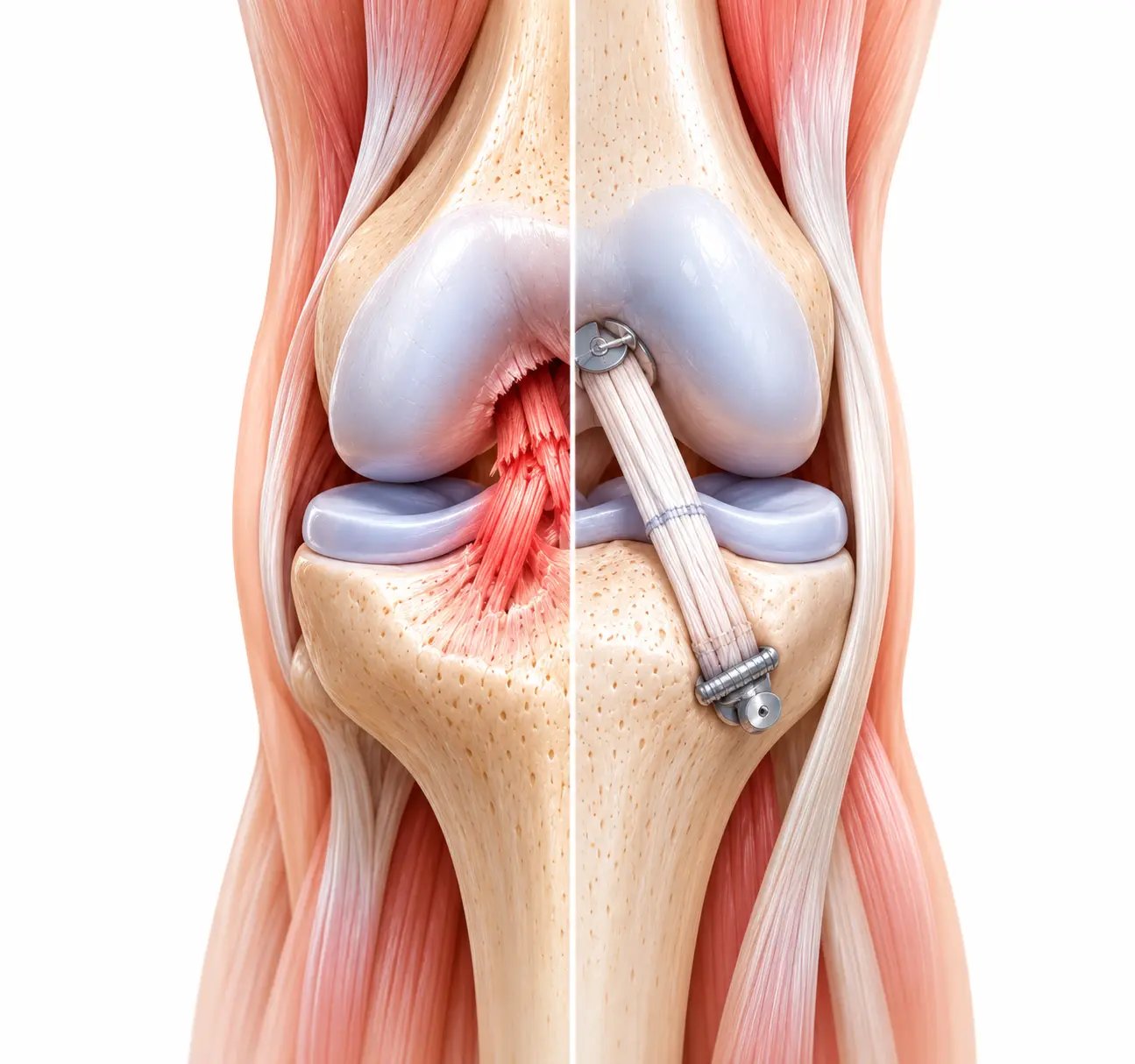
More than half of ACL tears come with a meniscus tear. Stitching that meniscus back instead of trimming it away is the single best thing that can be done for the long term health of your knee.
Animation or OT footage showing a meniscus tear being stitched alongside the ACL reconstruction.
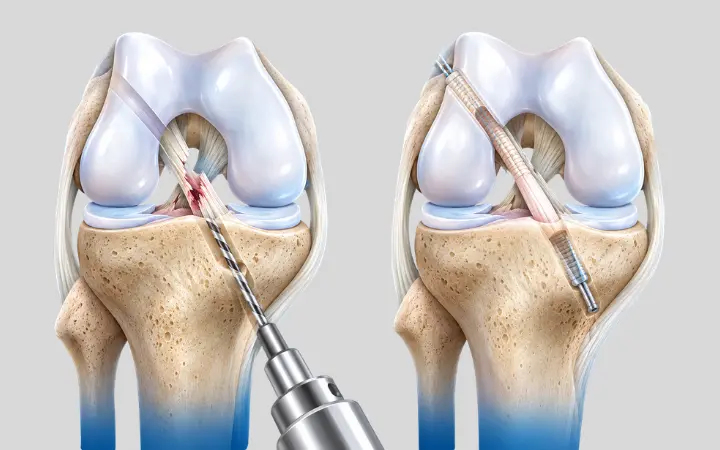
What is ACL surgery with meniscus repair?
The meniscus is the C shaped cushion that sits between your thigh bone and shin bone. It spreads load across the joint. When an ACL tears, the same twist very often tears this cushion too, and both are treated in the same operation.
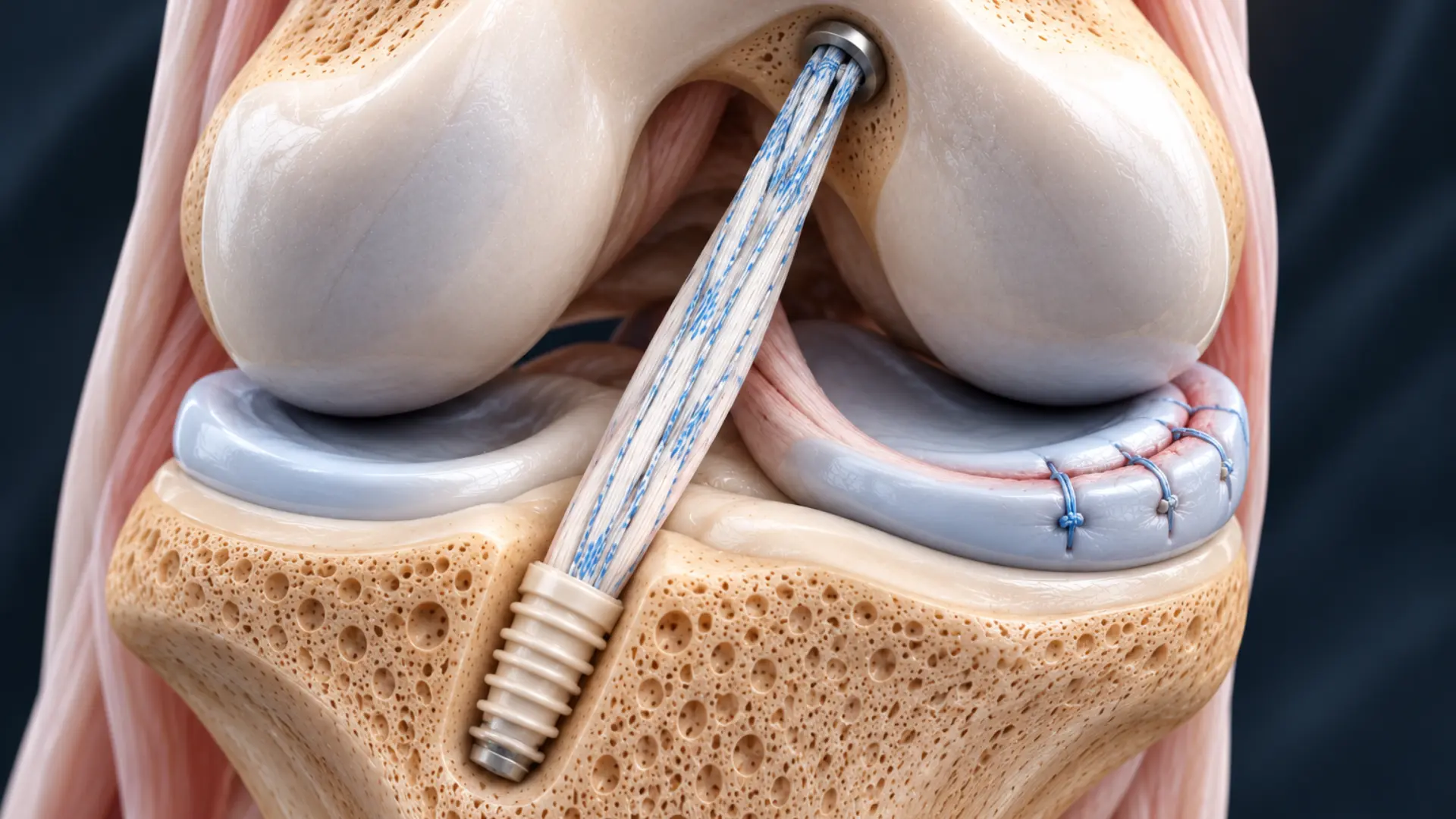
There is a reason repair is preferred to trimming. Removing a piece of meniscus takes the pain away quickly, but the load that piece used to spread now falls on a smaller area of cartilage, and over the years that drives arthritis. Keeping the meniscus is a long term investment, even though it costs you a slower first few months.
One useful detail is that a meniscus repaired at the same time as an ACL reconstruction tends to heal better than one repaired on its own. Drilling the tunnels releases blood and healing factors into the joint, and the meniscus benefits from that.
Who this technique suits
Whether a tear can be stitched depends on where it sits and what it looks like, which is judged during the arthroscopy rather than from the MRI alone.
Usually repairable
- Tears at the outer rim, where blood supply is good
- Fresh tears with clean edges that sit back together neatly
- Tears at the back corner, often found only when looked for
- Root tears, where the meniscus has pulled off its anchor point
- Younger patients, whose tissue heals more readily
May need trimming instead
- Tears in the inner part, which has almost no blood supply
- Shredded or multi-directional tears that cannot be brought together
- Old degenerate tears in a worn meniscus
- Small stable tears, which are sometimes best left alone to heal
- Patients unable to follow a more protected rehabilitation plan
How the surgery is done
-
01
Anaesthesia and examination
The surgery is done under spinal or general anaesthesia. Once you are relaxed, the knee is examined again to confirm how loose it is.
-
02
The whole joint is inspected
The camera is taken into the back corners of the knee, not only the front. Tears tucked behind the meniscus are easy to miss and are a known reason for a knee that stays loose after surgery.
-
03
Repair, trim or leave decision
Each tear is probed to see how mobile it is. Repairable tears are stitched, unsalvageable pieces are trimmed back as little as possible, and some small stable tears heal on their own once the knee is stable again.
-
04
The tear is stitched
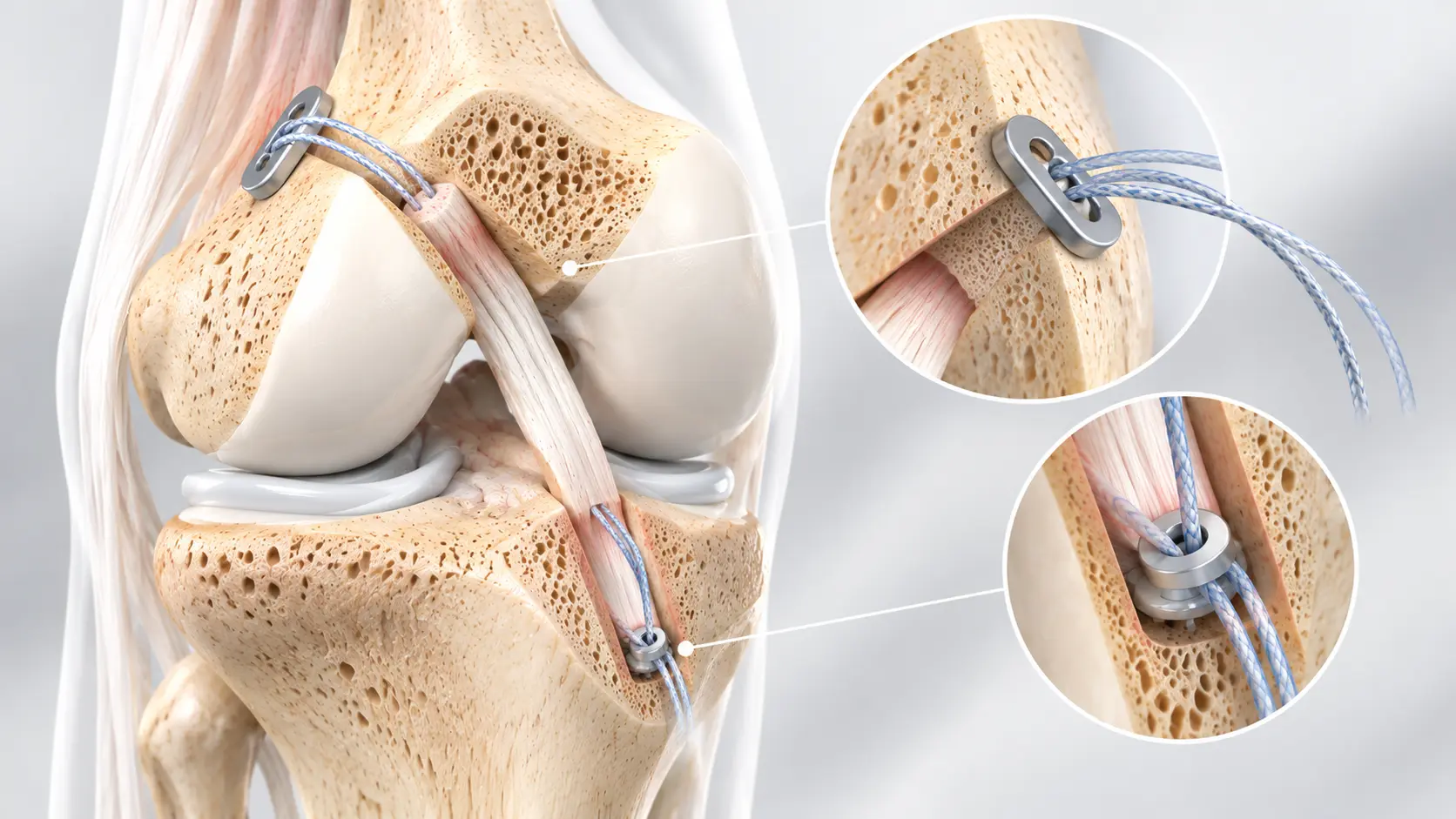
Sutures are passed across the tear, usually from inside the joint. A root tear is handled differently, with the end of the meniscus pulled back down to its attachment through a small tunnel.
-
05
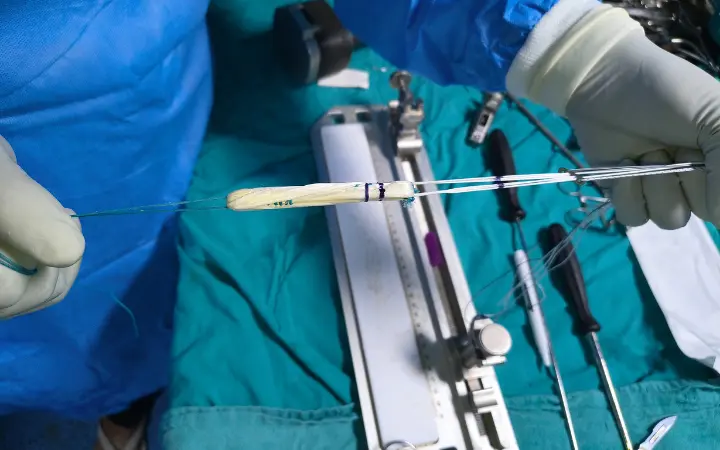
The ACL graft is placed
The reconstruction is completed as planned. This matters for the meniscus too, because a stitched meniscus in an unstable knee will simply tear again.
-
06
Closure and a modified rehab plan
Before you leave, the plan is adjusted for the repair. Expect limits on how much weight you put through the leg and how far you bend the knee in the early weeks.
Deep bending and squatting are what pull a fresh meniscus repair apart, far more than walking does. This is why the early restrictions focus on how much you bend, not only on how much you walk.
How the tear is stitched
The method depends on where the tear sits. Often more than one is used in the same knee.
All inside repair
Stitches placed entirely through the keyhole, with small anchors resting outside the meniscus.
Inside out repair
Sutures passed out through a small extra cut and tied down, often used for back corner tears.
Root repair
The detached end is pulled back to its bony attachment through a small tunnel and fixed there.
Recovery at a glance
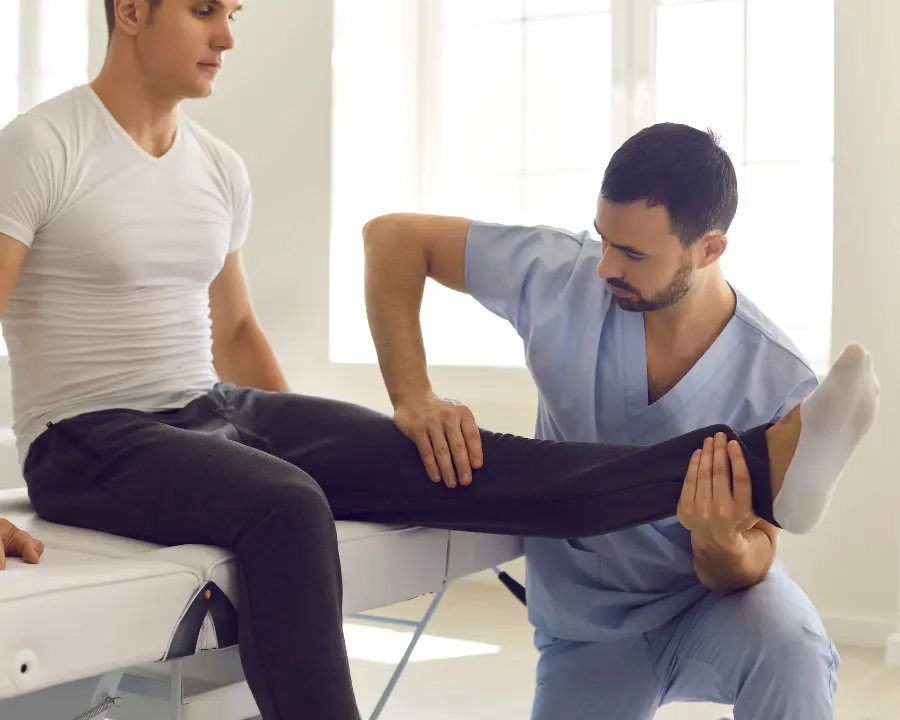
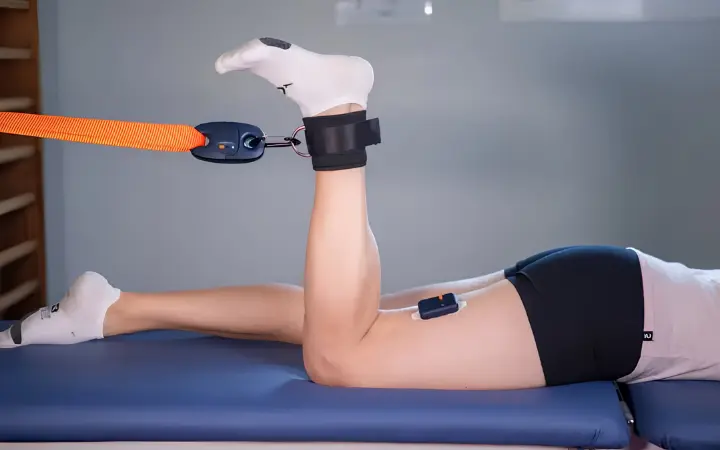
This is where a meniscus repair changes your experience. The ACL milestones stay the same, but the first six weeks are more restricted, with a brace, limits on bending and often limits on weight through the leg. Deep squatting and sitting cross legged are usually held back for around three to four months.
Protocols vary between surgeons, and published plans differ widely, especially after a root repair. Follow the plan your own surgeon gives you rather than a general timeline from the internet.
Open the full recovery roadmapBenefits and trade-offs
Benefits
- Keeps the cushion that protects your cartilage for decades
- Lower risk of arthritis than having the meniscus trimmed away
- A repaired meniscus also helps hold the knee steady
- Healing is better when done alongside an ACL reconstruction
- Both problems are fixed in one anaesthesia and one recovery
Trade-offs to know
- A slower, more restricted first six weeks
- A brace and bending limits that an ACL alone would not need
- Not every repair heals, and some need a second small procedure
- Slightly longer surgery and extra implants
- Deep squatting is held back longer than you may expect
If you are offered a choice between a repair and a trim, the trade is short term convenience against long term joint health. Trimming lets you move freely sooner. Repair asks for patience in the first two months and pays you back over the next twenty years. For most patients having an ACL reconstruction anyway, repair is the better deal.
Cost of this surgery
Your ACL reconstruction cost plus the number of meniscus implants used and the extra operating time.
Meniscus implants are priced individually, so a tear needing four stitches costs more than one needing two. The exact count is known only during surgery, so we give you a range beforehand. Most health insurance policies cover both procedures, and our team can help you with the paperwork.
Common questions
Why not just remove the torn part and recover faster?
Because the piece removed never comes back, and the cartilage underneath carries its load from then on. Trimming feels better sooner but raises the risk of arthritis years later. Repair is preferred whenever the tear allows it.
Will the repair definitely heal?
Not always. Healing depends on where the tear is, how fresh it is and how closely you follow the early restrictions. A repair that does not heal can usually be dealt with later by a small keyhole procedure.
Why do I need a brace when my friend did not?
Because your friend probably had an ACL reconstruction alone. The brace is protecting the meniscus stitches, not the ACL graft, by limiting how far you bend in the early weeks.
When can I sit cross legged or squat on the floor?
Usually around three to four months, and only on your surgeon's clearance. These positions put the most strain on a healing meniscus, which is why they are the last everyday movements to be allowed.
My MRI did not mention a meniscus tear. Can there still be one?
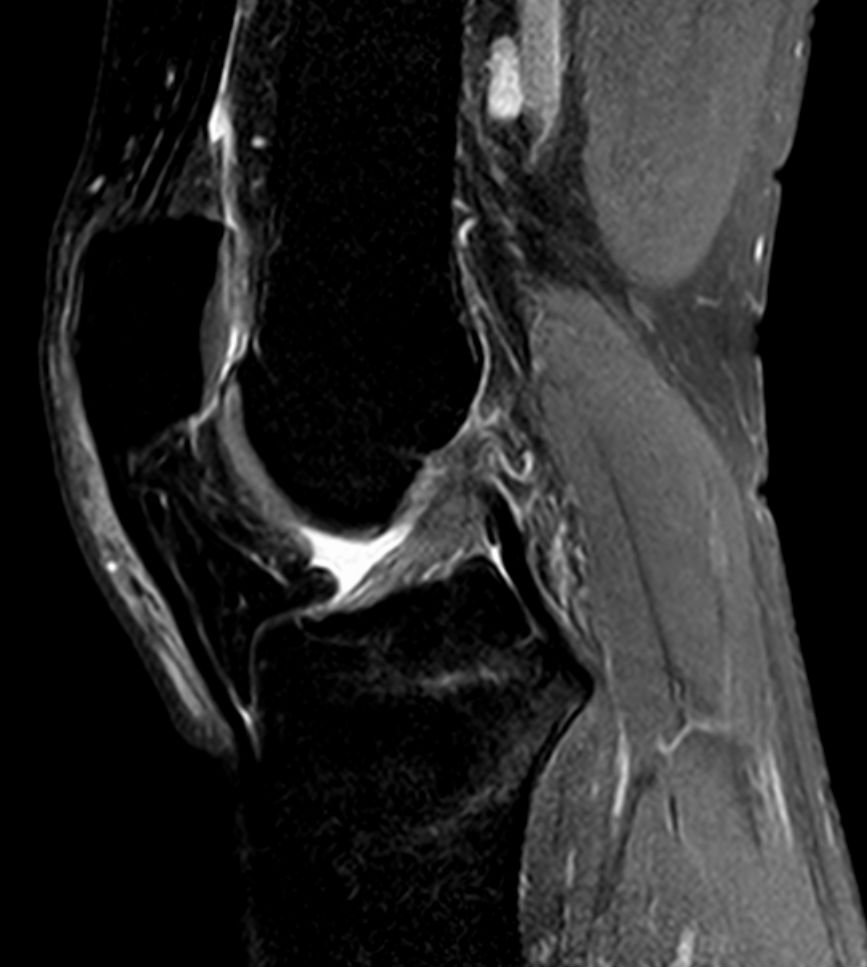
Yes. Tears tucked into the back corner of the knee are often not seen on MRI and are found only when the camera is taken behind the meniscus. This is why the whole joint is inspected during surgery.
Does this delay my return to sport?
Usually not by much. The nine month milestone is set by the ACL graft, which heals on its own timeline. The meniscus repair mainly changes the first six weeks.
This page explains a surgical technique in general terms. What suits your knee is decided after a clinical examination and MRI review with a specialist ACL and meniscus surgeon in Indore.


Dr. Prince Uchadiya

Thank You,
Patient!
Your appointment request has been received.
Our clinic team will call you shortly to confirm your consultation and share further details.
 Confirm on WhatsApp
