

Arthroscopic ACL Reconstruction
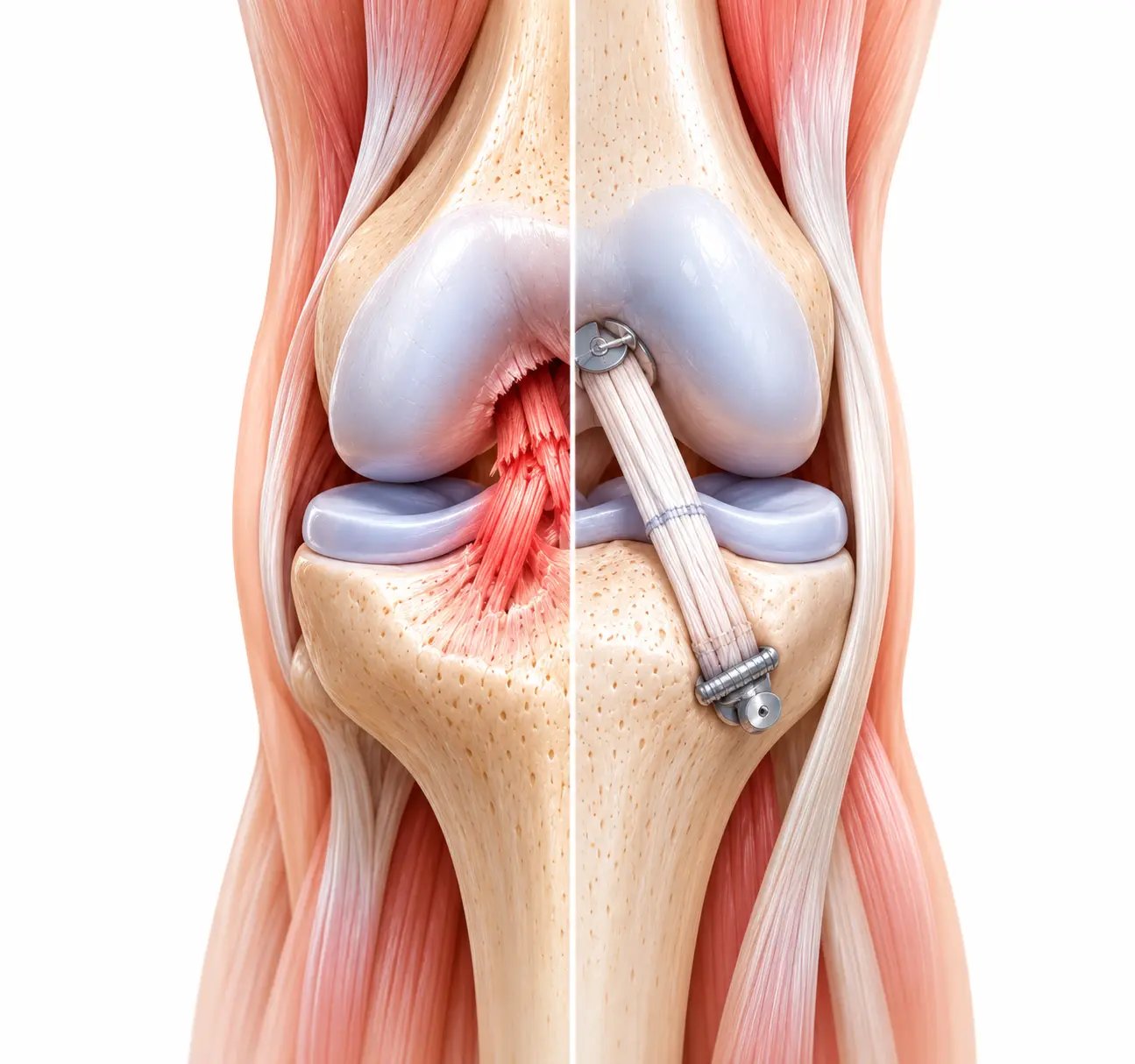
The standard keyhole operation for a torn ACL. A graft is placed through small tunnels in the bone to take over the job of the torn ligament.
Animation or OT footage showing arthroscopic ACL reconstruction, step by step.
What is arthroscopic ACL reconstruction?
A torn ACL usually cannot be stitched back together. Instead, the surgeon builds a new ligament using a graft, which is a strong tendon taken from your own leg.
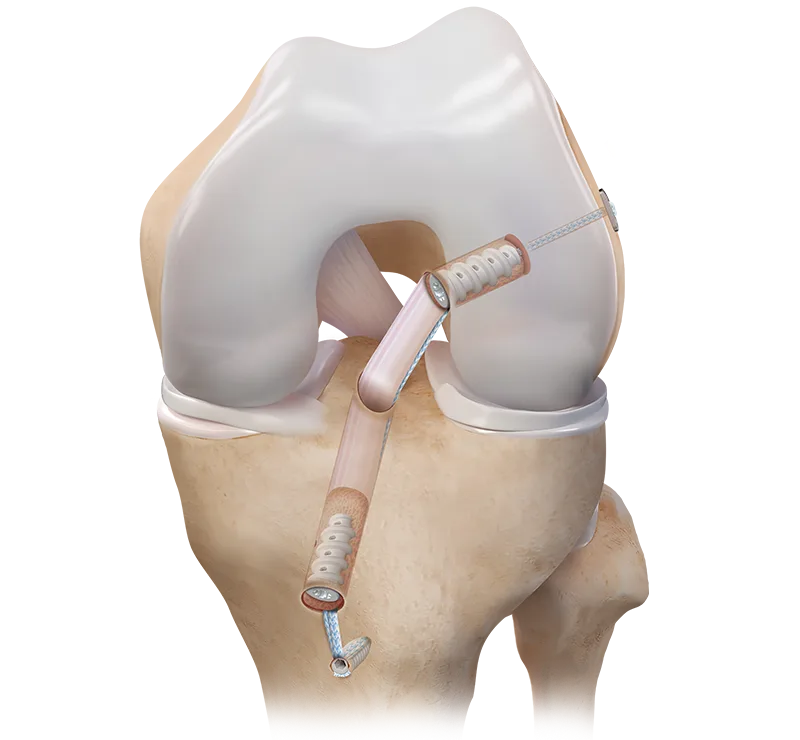
The whole operation is done through two or three small cuts using a camera, which is why it is called keyhole or arthroscopic surgery. Any meniscus or cartilage injury found inside the knee is treated in the same sitting.
Who this technique suits
Usually a good fit
- A complete ACL tear with a knee that gives way
- People who play pivoting sports such as football, cricket or kabaddi
- Physically demanding jobs and defence aspirants
- An ACL tear along with a meniscus injury
May not be the first choice
- A stable knee in someone who does not pivot or play sport
- A stiff or very swollen knee, which needs physiotherapy first
- Selected fresh tears where repair may be possible instead
- Active infection or a skin problem around the knee
How the surgery is done
-
01
Anaesthesia and examination
The surgery is done under spinal or general anaesthesia. Once you are relaxed, the knee is examined again to confirm how loose it is.
-
02
Camera inside the knee
A small camera is passed through a keyhole cut. The surgeon confirms the ACL tear and checks the meniscus and cartilage.
-
03
Graft is taken and prepared
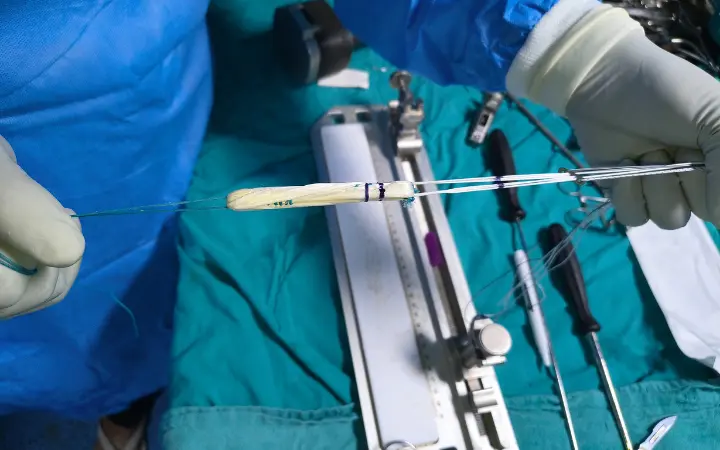
A tendon graft is taken through a separate small cut and shaped to the right thickness and length.
-
04
Tunnels are made
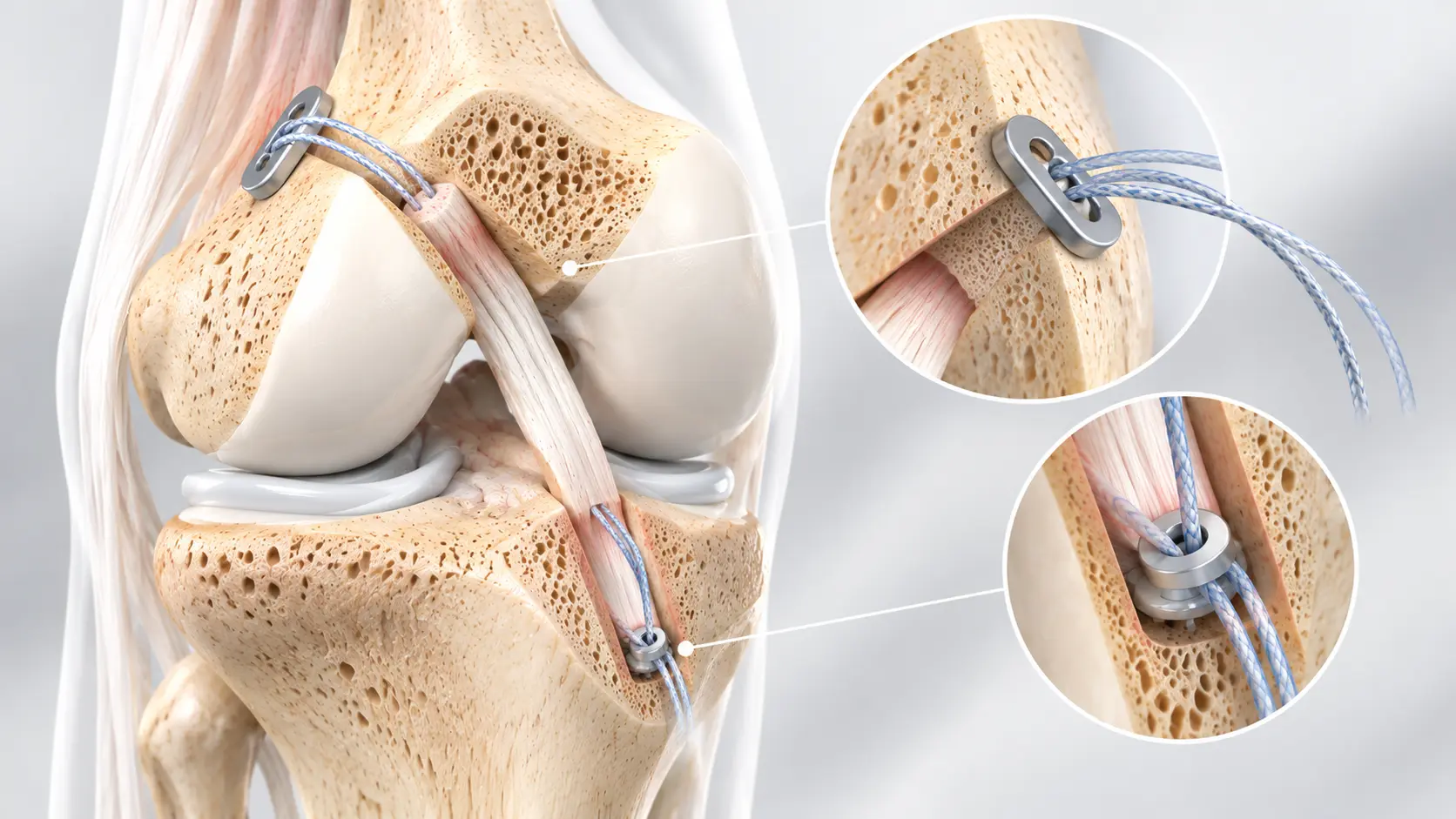
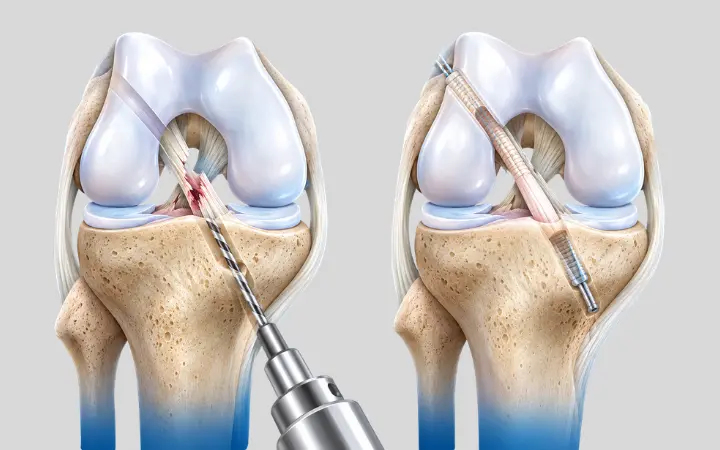
Tunnels are drilled in the thigh bone and shin bone at the exact spots where your original ACL was attached.
-
05
Graft is passed and fixed
The graft is pulled through the tunnels and held with buttons, screws or both. The knee is moved to check that it is tight and stable.
-
06
Closure and recovery room
Cuts are closed and dressed. Physiotherapy usually starts the same day or the next morning.
Which graft is used
This technique works with several grafts. The choice depends on your sport, your knee and the surgeon's assessment, not on price.
Hamstring tendon
The most commonly used graft in India.
Peroneus longus
Taken from the outer side of the leg, saving the thigh muscles.
Quadriceps or patellar tendon
Often chosen for revision surgery or high-demand athletes.
Recovery at a glance
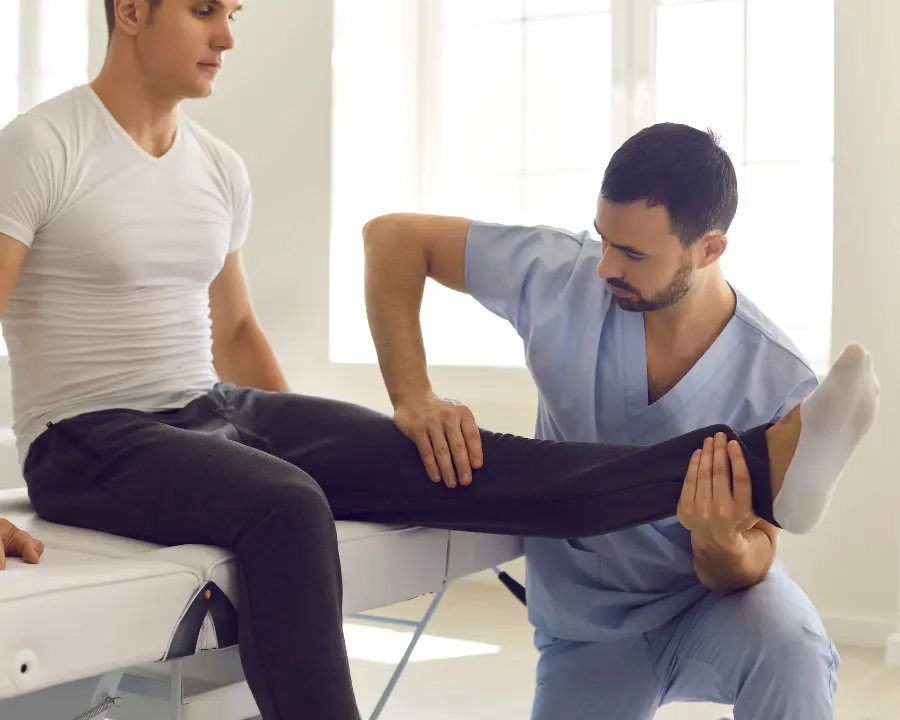
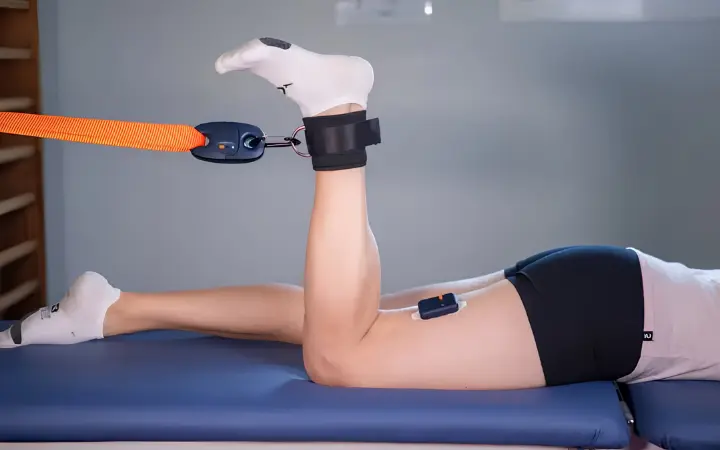
Recovery depends as much on your physiotherapy as on the surgery. If a meniscus repair is done at the same time, the early weeks are more protected.
Open the full recovery roadmapBenefits and trade-offs
Benefits
- Restores stability so the knee stops giving way
- Protects the meniscus and cartilage from repeat injury
- Small cuts, so less pain and a quicker early recovery
- A well-studied operation with predictable results
Trade-offs to know
- Rehabilitation runs for months, not weeks
- Soreness at the site where the graft was taken
- A small risk of stiffness, infection or graft failure
- Returning to sport too early raises the risk of a fresh injury
Cost of this surgery
Depends on the implants used, room category and whether a meniscus repair is added.
Most health insurance policies cover ACL surgery after their waiting periods. Our team can help you with the paperwork.
Common questions
Will I be asleep during the surgery?
It is done under spinal or general anaesthesia. Your anaesthetist will decide what suits you after checking your reports.
How soon can I walk?
Most patients stand and walk with support on the same day or the next morning, unless your surgeon advises otherwise after a meniscus repair.
Will there be a big scar?
No. The camera and instruments go through small keyhole cuts. One slightly longer cut is used where the graft is taken.
Can the new ligament tear again?
Yes, it can, especially if you return to pivoting sport before your strength tests are passed. This is why the 9 month milestone matters.
Do the implants need to be removed later?
Usually not. The buttons and screws used are designed to stay in place permanently.
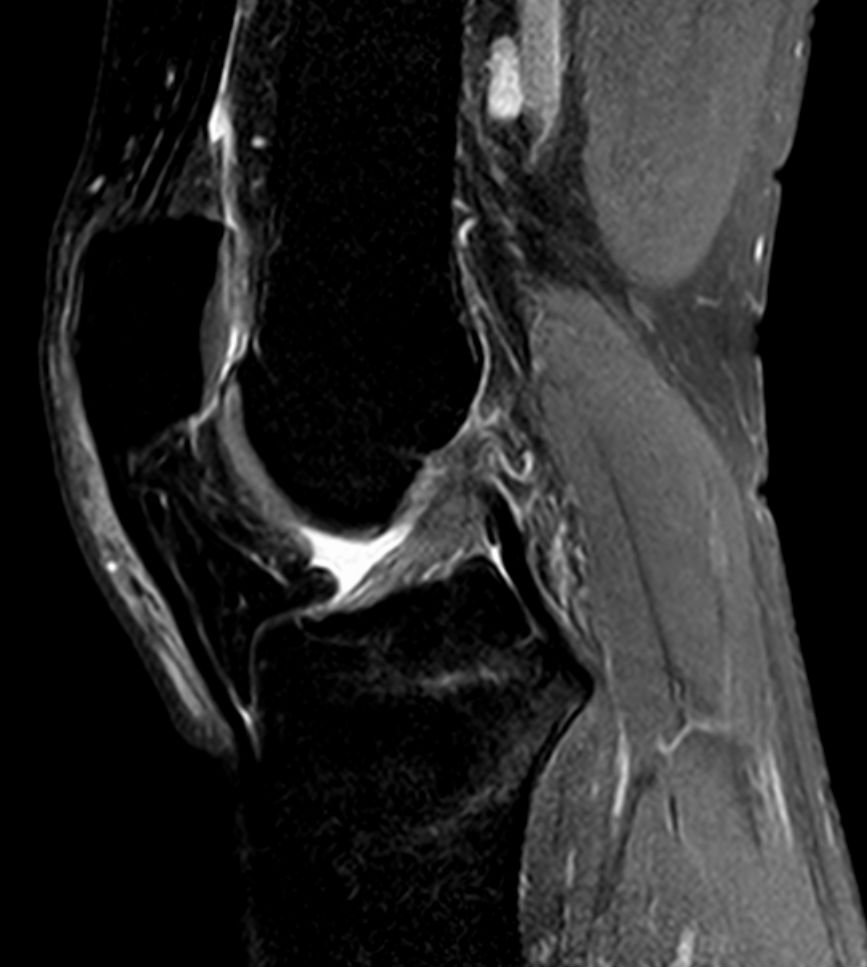
This page explains a surgical technique in general terms. What suits your knee is decided after a clinical examination and MRI review with an ACL surgeon in Indore.


Dr. Prince Uchadiya

Thank You,
Patient!
Your appointment request has been received.
Our clinic team will call you shortly to confirm your consultation and share further details.
 Confirm on WhatsApp
