

ACL Surgery In Children And Teens
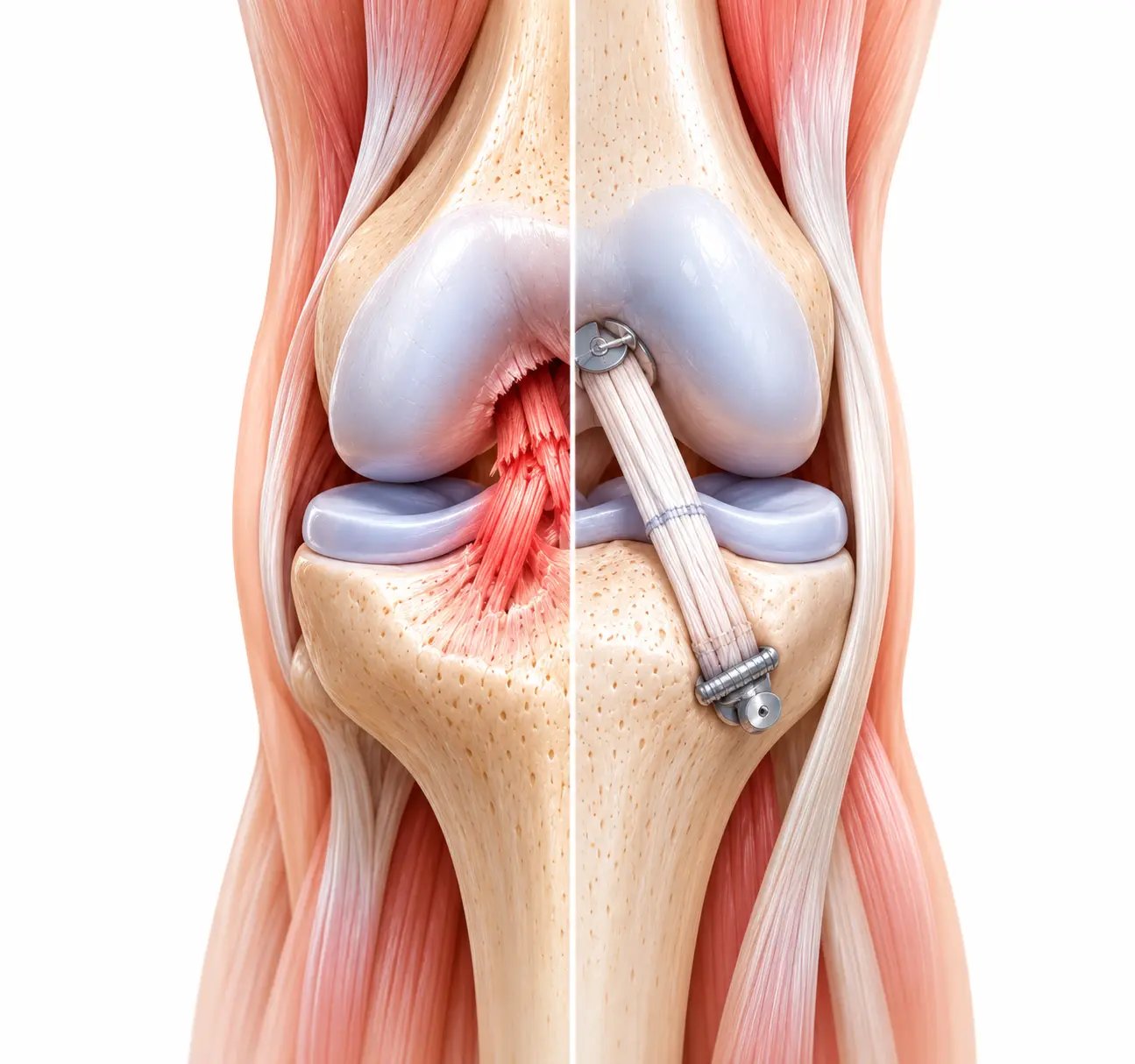
A growing knee has open growth plates sitting right where the tunnels would normally go. The operation is planned around how much growth is left, which is measured from a bone age X-ray rather than from your child's birthday.
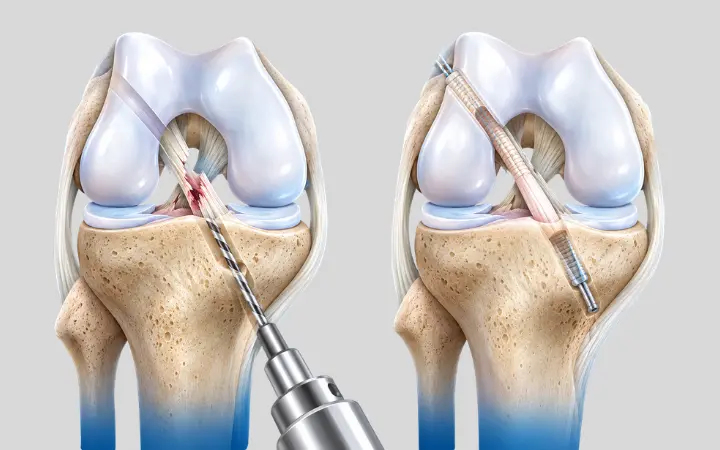
Animation or OT footage showing how tunnels are planned around open growth plates.
Why a growing knee is treated differently
Near each end of a growing bone sits a soft band called the growth plate, which is where the bone lengthens. In the knee, these bands lie very close to the path an ACL graft has to take. Drill through one carelessly and the bone can stop growing evenly.
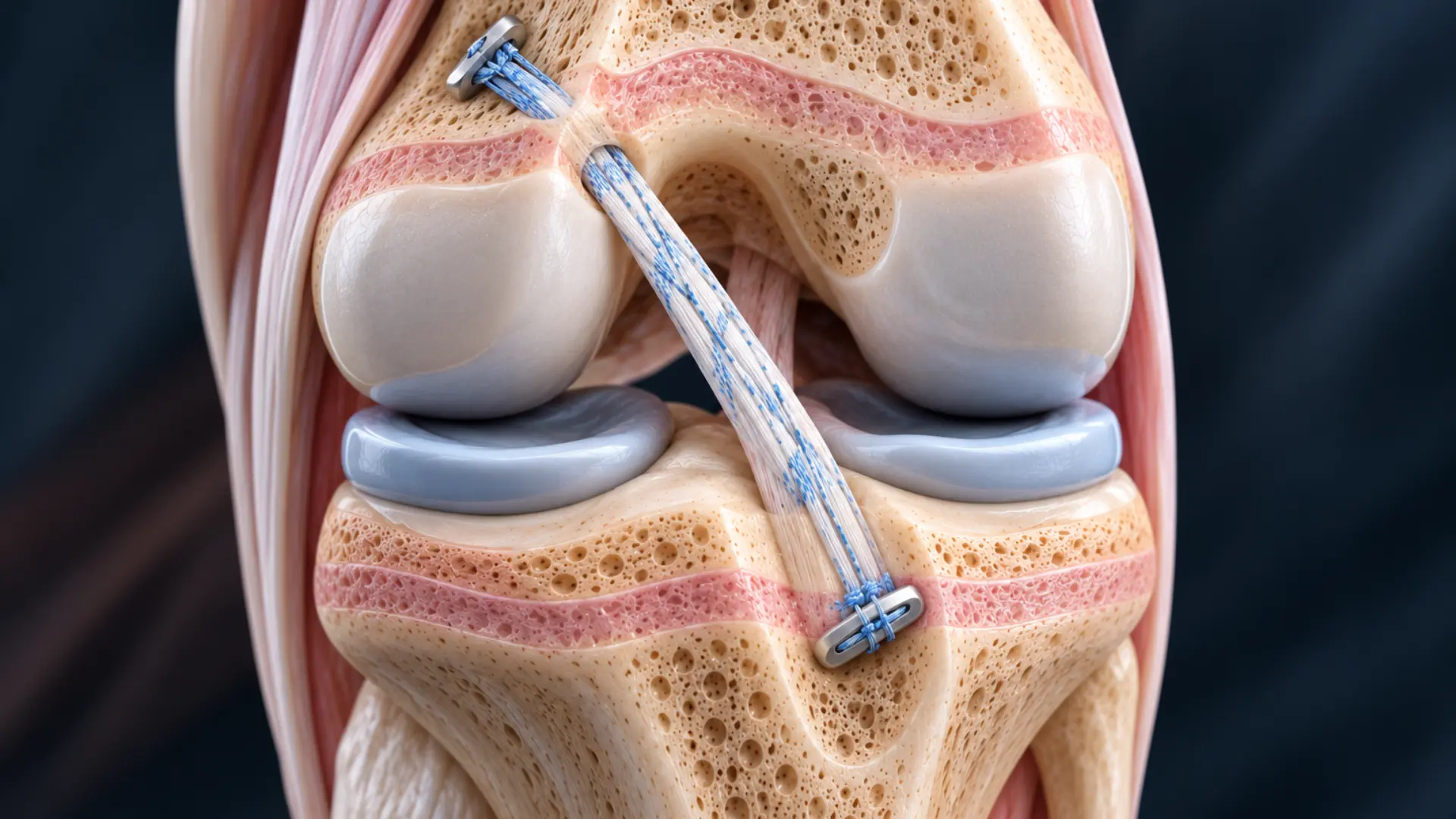
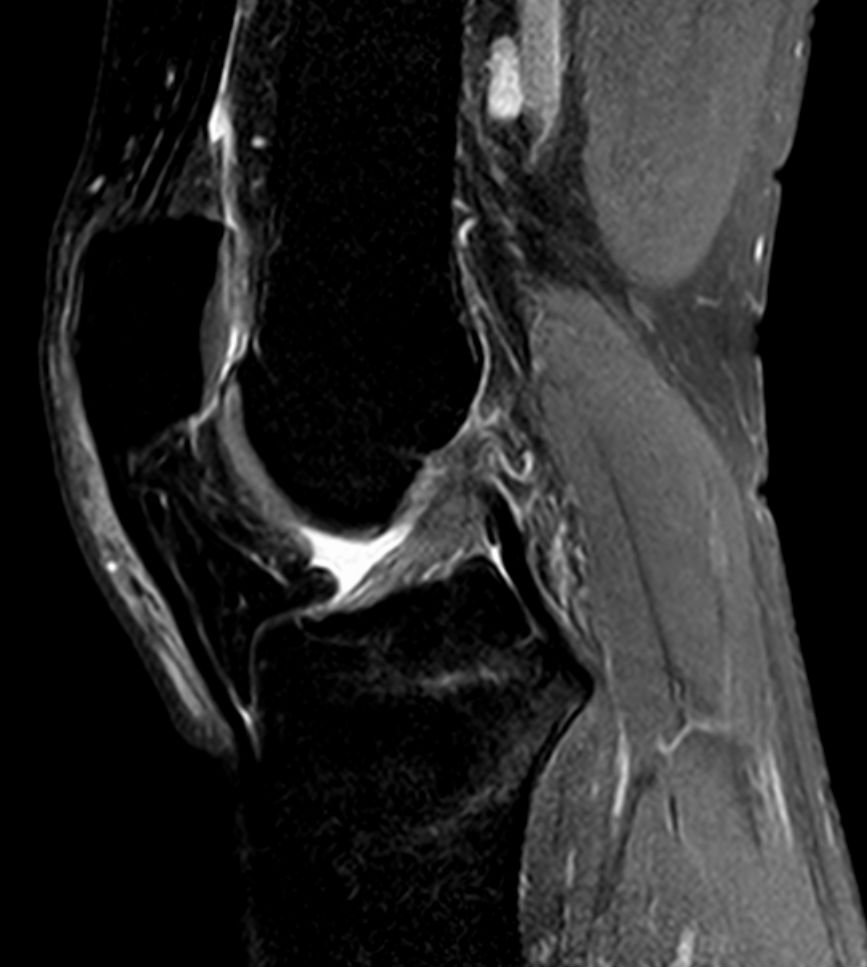
Everything therefore starts with one question. How much growing is still to come? Age in years is a poor guide, because two thirteen year olds can be years apart in bone maturity. A hand X-ray compared against a standard atlas, along with a pubertal assessment and the appearance of the growth plates on MRI, gives a far better answer.
From that assessment children fall into three broad groups. Those with a lot of growth left, those nearing the end of growth, and those who are effectively skeletally mature and can have the same operation as an adult. Each group has a technique matched to it.
Should a child have ACL surgery at all?
Parents are often told to wait until the growth plates close. Current evidence has moved away from that advice, because an unstable knee keeps injuring itself while everyone waits.
Surgery is usually advised
- A complete tear with a knee that gives way
- A meniscus tear found alongside the ACL tear
- A child who plays football, kabaddi, basketball or similar
- Repeated episodes of the knee buckling in daily activity
- A locked knee, which needs attention without delay
Waiting may be reasonable
- A partial tear in a knee that stays stable on testing
- A child willing to step away from pivoting sport meanwhile
- A very swollen or stiff knee, which needs physiotherapy first
- Families unable to commit to the full rehabilitation plan yet
- Even then, the knee needs regular review rather than being left
Children managed without surgery after a complete tear have high rates of continued instability, and each episode of giving way risks the meniscus and cartilage. Waiting is a decision that needs follow up, not a decision to forget about.
How the surgery is done
-
01
Working out how much growth is left
A bone age X-ray of the hand, a check of pubertal development, and the MRI appearance of the growth plates are put together. This decides the technique, so it happens before surgery is planned.
-
02
Anaesthesia and examination
The surgery is done under general anaesthesia. The knee is examined again once your child is asleep to confirm the pattern of looseness.
-
03
The matched technique is used
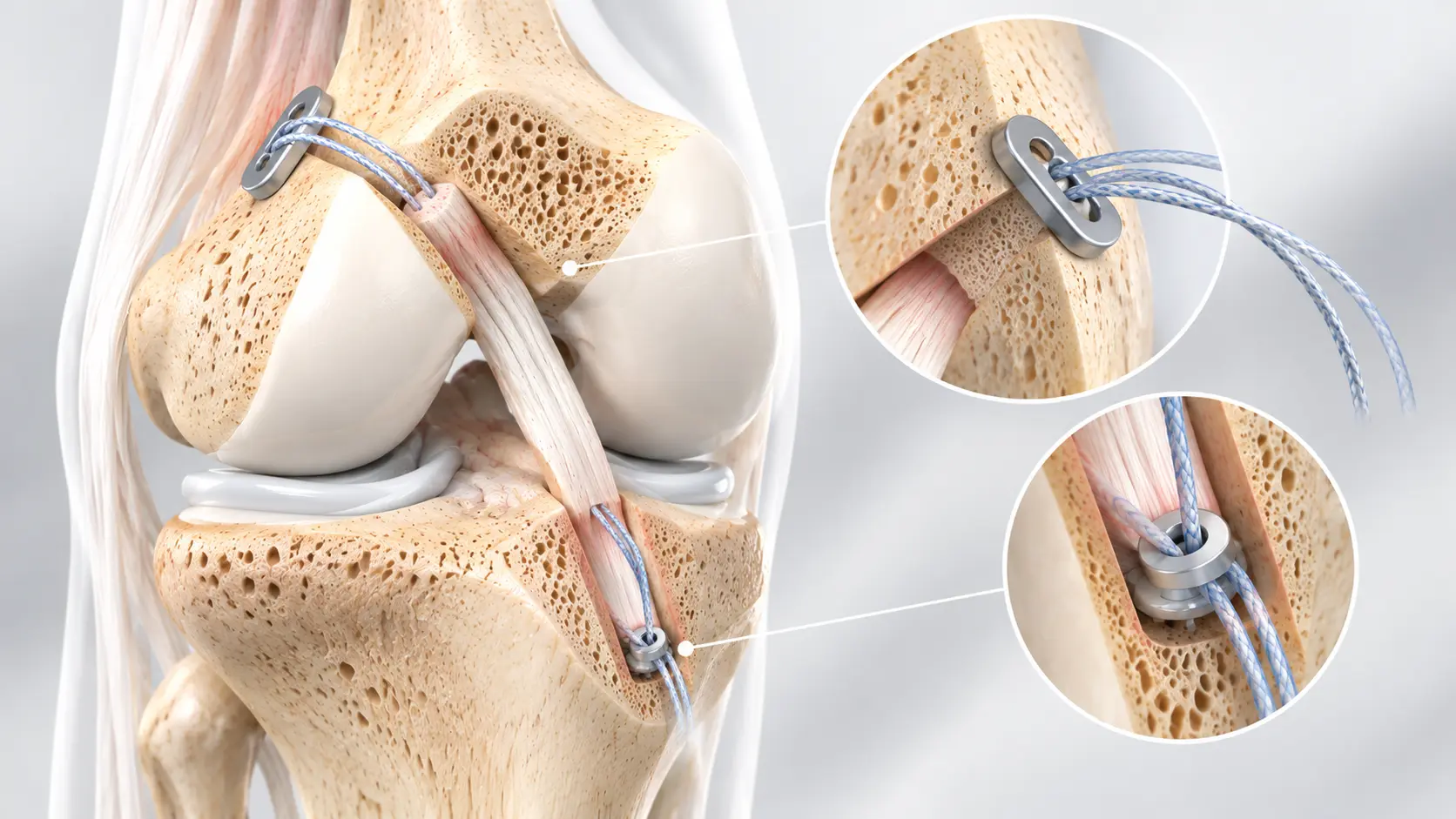
With a lot of growth left, the graft is routed around the plates or kept inside the bone ends, avoiding them entirely. Closer to maturity, tunnels may cross the plates in the way an adult operation does.
-
04
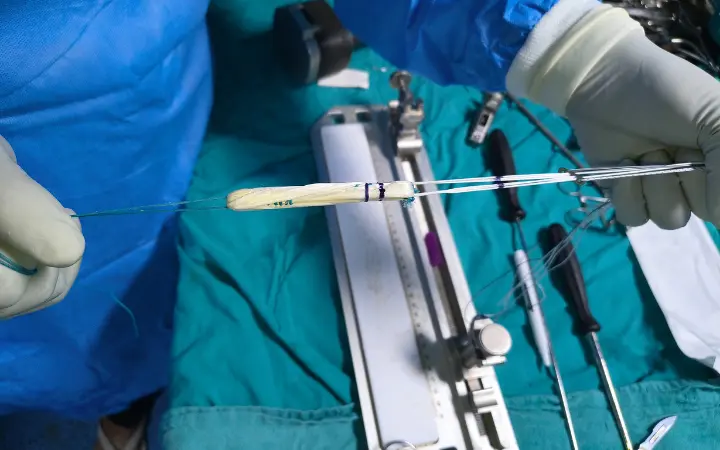
A soft tissue graft is prepared
Only tendon is used, with no bone attached. A graft with a bone block sitting across a growth plate can stop that part of the bone growing, so those grafts are avoided.
-
05
Precautions while drilling and fixing
Tunnels are kept narrow and as upright as possible, X-ray guidance is used where needed, and no screw or implant is left sitting across a growth plate.
-
06
Meniscus repair and closure
Any meniscus tear is repaired rather than trimmed, since this knee has decades of use ahead. Follow up is then planned at intervals until growth is complete.
Which graft is used
Graft choice is narrower here than in adults. Soft tissue grafts from your child's own body are used, and donor tissue is avoided because it fails more often in active young patients.
Hamstring tendon
The most commonly used option, and well suited to narrow tunnels.
Outer thigh band
Used in younger children, routed around the growth plates with no tunnels at all.
Quadriceps tendon
A soft tissue only strip, increasingly used in older adolescents.
Recovery at a glance
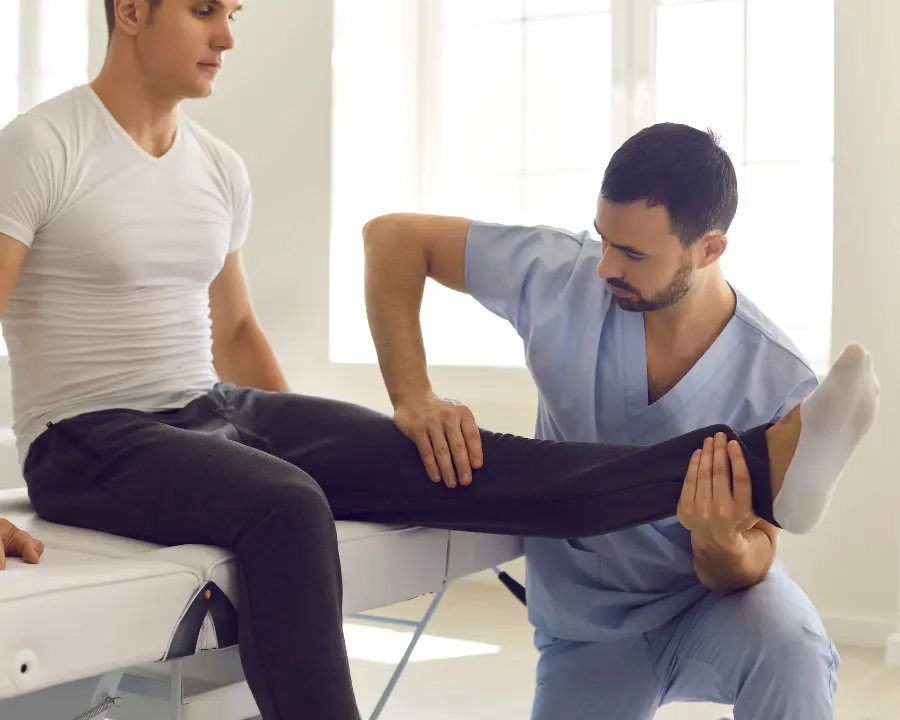
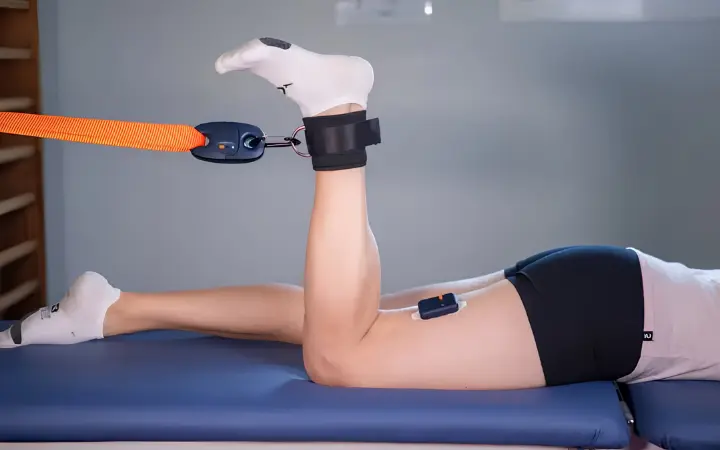
The hardest part of a child's recovery is not the knee, it is the discipline. Children feel well long before the graft is ready, and this age group has the highest rate of tearing a graft again. Returning only after strength and hop tests are passed, rather than when the child feels fine, is the single biggest protection you can give them.
Reviews continue every few months until growth is finished, with leg lengths and alignment checked at each visit.
Open the full recovery roadmapBenefits and trade-offs
Benefits
- Stops the repeated giving way that damages meniscus and cartilage
- Lets your child return to sport rather than sit out for years
- Growth disturbance is uncommon with technique matched to maturity
- Any meniscus tear gets repaired while it is still repairable
- Published series report high rates of stable knees afterwards
Trade-offs to know
- A small risk of uneven growth or angulation, which needs watching
- This is the age group with the highest chance of a second ACL injury
- The other knee is also at raised risk in the years that follow
- Rehabilitation needs real family commitment for nine months
- Follow up visits continue until growth is complete
Both sides of this deserve honesty. Modern growth plate aware techniques have made serious growth problems uncommon, and most children get a stable knee and return to sport. At the same time, young athletes have the highest rate of a further ACL injury in either knee after going back to pivoting sport. Supervised rehabilitation and proper return to sport testing are not optional extras at this age, they are the main thing that changes the odds.
Cost of this surgery
Depends on the technique chosen, implants used and whether a meniscus repair is added.
Please also budget for physiotherapy across nine months and for review visits until growth is complete, since both are part of the treatment rather than optional. Most health insurance policies cover ACL surgery after their waiting periods, and our team can help you with the paperwork.
Common questions
Will the surgery affect my child's height or leg length?
With a technique matched to remaining growth, serious growth problems are uncommon. Small differences in length or angle can occur, which is exactly why we review your child regularly until growth finishes, when any issue is still easy to correct.
Can we wait until my child is eighteen?
Usually not advisable after a complete tear. An unstable knee keeps giving way during ordinary activity, and each episode risks the meniscus and cartilage. That damage does not reverse later, while the ACL can be reconstructed safely now.
My child is thirteen. Is that too young?
Age in years is not what decides it. A bone age X-ray tells us how much growth is left, and the technique is chosen from that. Children much younger than thirteen are operated on safely with the right method.
Why can you not use the same graft you use for adults?
Grafts with a block of bone attached can stop a growth plate working if the block sits across it. In a growing knee we use tendon only, which passes through safely.
Why is the re-tear risk higher in teenagers?
They return to pivoting sport at a high level, they are often back before their strength has caught up, and they rarely hold back. This is why formal testing before clearance matters more at this age than at any other.
How long will follow up continue?
Until growth is complete, usually with visits every few months. Each visit checks the knee, the leg lengths and the alignment, so anything developing is picked up early.
This page explains a surgical technique in general terms. What suits your child's knee is decided after an examination, an MRI, and a growth-plate assessment with a trusted paediatric and adult ACL surgeon in Indore.


Dr. Prince Uchadiya

Thank You,
Patient!
Your appointment request has been received.
Our clinic team will call you shortly to confirm your consultation and share further details.
 Confirm on WhatsApp
